
Jinja and the Source of the Nile: The Complete Guide to Uganda’s Adventure Capital
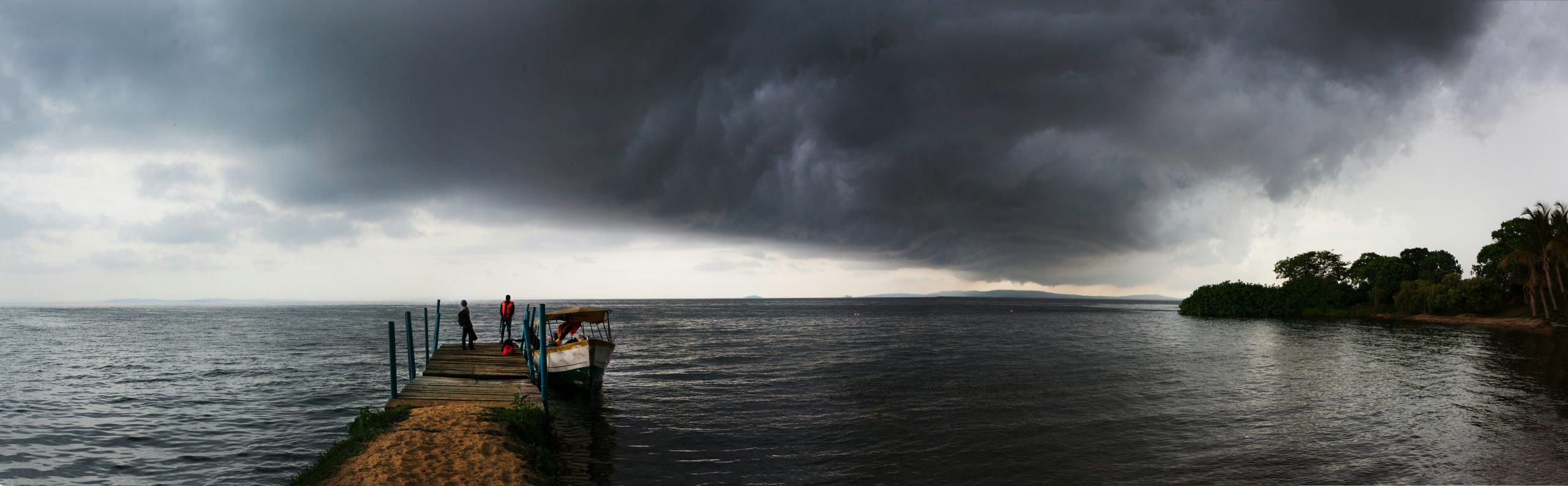
For centuries, explorers, geographers and kings wondered where the world’s longest river began. The answer, at least for the White Nile, lies on the northern shore of Lake Victoria at Jinja in eastern Uganda. Here, the waters of Africa’s largest lake spill out and begin a journey of more than 6,000 kilometres to the Mediterranean Sea. Today, Jinja is far more than a place to tick off a famous landmark. It has become Uganda’s adventure capital, a lively riverside town where you can raft rapids, paddle kayaks, cruise at sunset and explore lush forest, all within a couple of hours of Kampala.
This complete guide explains the history of the Source of the Nile, everything there is to do in and around Jinja, when to visit, how to get there, and how to combine it with the rest of a Uganda safari.
Where Is Jinja?
Jinja lies around 80 kilometres east of Kampala, on the main highway towards the Kenyan border. Depending on traffic, the drive takes roughly two to three hours, passing through sugar cane and tea estates and the edge of Mabira Forest. The town sits on the shore of Lake Victoria at the point where the Nile leaves the lake, making it the natural first stop on any journey into eastern Uganda, whether you are heading on to Sipi Falls and Mount Elgon or further north towards Kidepo Valley.
The Story of the Source of the Nile
The search for the source of the Nile was one of the great geographical puzzles of the nineteenth century. In 1858, the British explorer John Hanning Speke reached the southern shore of a vast lake he named Victoria and became convinced it was the river’s source. In 1862, he returned and reached the spot where water poured out of the lake over a set of falls, which he named Ripon Falls. His claim was hotly disputed at the time, including by his former travelling companion Richard Burton, and it took further expeditions to confirm that Lake Victoria was indeed the main source of the White Nile.
The Ripon Falls themselves no longer exist. They were submerged in the 1950s when the Owen Falls Dam (now called the Nalubaale Power Station) was built downstream to generate hydroelectric power. A monument on the western bank marks the spot Speke described, and boat trips take visitors to the point where the lake water begins to flow north as the Nile. It is worth knowing that the Nile has several sources: the Kagera River, which flows into Lake Victoria, has its headwaters in Rwanda and Burundi, where a spring in southern Burundi is often called the southernmost source of the Nile. Our Burundi travel guide explains more.
Visiting the Source of the Nile
The classic experience is a short boat trip from the landing sites near Jinja to the point where the Nile begins. Guides explain the history and point out a curious sight: where underground springs bubble up from the lake bed, you can see the water swirling at the surface. The trip often includes a stop at a small island in the river and plenty of birdlife, including kingfishers, cormorants, herons and fish eagles.
On land, visitors can see the Speke monument and a memorial to Mahatma Gandhi, part of whose ashes were scattered into the Nile here in 1948 in keeping with his wish that they be immersed in rivers around the world. A small market sells crafts, and riverside restaurants make good spots for lunch with a view.
White-Water Rafting on the Nile
Jinja earned its reputation as an adventure destination largely through white-water rafting. The Nile below Jinja is a big-volume river with powerful rapids, and for years it has drawn rafters from around the world. The construction of hydroelectric dams has changed the river considerably and submerged some famous rapids, including the once-celebrated Bujagali Falls, but rafting continues on the remaining sections, and operators have adapted their routes accordingly.
Trips typically last a half or full day and include a safety briefing, training in calm water and a support team of safety kayakers. Families and nervous first-timers can often choose gentler routes or ride on a separate raft that avoids the biggest rapids. Thrill-seekers will find plenty of challenging white water. Always book with a reputable operator with experienced guides and good safety equipment, and check the current routes and grades when you book, since the river continues to change.
Other Adventures in Jinja
Kayaking. Jinja is one of the best places in East Africa to learn to kayak, with calm stretches for beginners and white water for experienced paddlers. Multi-day courses and guided flat-water trips are available.
Stand-up paddleboarding. Paddleboarding on calm sections of the river is a relaxing way to enjoy the scenery and birdlife, and some operators offer more adventurous river-surfing options.
Bungee jumping. A bungee jump high above the Nile has long been one of Jinja’s signature thrills. Check current availability before you travel.
Quad biking. Guided quad-bike tours ride through villages, farms and along the riverbanks, offering a lively way to see rural life around Jinja.
Horse riding and mountain biking. Trails along the river and through the countryside suit riders and cyclists of different levels.
Sunset cruises. A sunset boat trip on the Nile, often with drinks on board, is one of the most popular ways to end a day in Jinja, with excellent birding as the light fades.
For more ideas across the country, see our guide to adventure tourism in Uganda.
Mabira Forest
On the road between Kampala and Jinja lies Mabira Forest, one of the largest remaining areas of natural forest in central Uganda. It is a peaceful place for guided nature walks, mountain biking and birdwatching, with a long list of forest bird species, as well as red-tailed monkeys, grey-cheeked mangabeys and colourful butterflies. A forest zip-line offers a different perspective from high in the canopy. Mabira makes an easy half-day stop on the way to Jinja, and birders will find it particularly rewarding; see our guide to birdwatching in Uganda.
Jinja Town: History and Culture
Jinja grew in the early twentieth century as a trading and industrial centre, helped by the railway, the lake and later the hydroelectric dam. Its wide streets are lined with colonial-era buildings and shopfronts that reflect a long history of South Asian traders, and the town has a relaxed, slightly faded charm. The name Jinja is often said to come from a local word for stones, a reference to the rocks that once formed the falls. Jinja is in the Busoga kingdom, and visits to local communities, markets and craft cooperatives offer an insight into Basoga culture. For broader ideas, see our guide to cultural tourism in Uganda.
Best Time to Visit Jinja
Jinja can be visited year-round, and rafting and most river activities run in every season. The drier months, roughly from December to February and from June to August, offer the most comfortable conditions and clearer skies. The wetter seasons, from around March to May and in October and November, bring heavier rain, usually in afternoon storms, but the river remains open and the countryside is at its greenest. Water levels can affect rafting routes, so your operator will advise on current conditions. Our guide to the best time to visit Uganda explains how these seasons fit with gorilla trekking and safaris elsewhere.
How Long to Spend in Jinja
A day trip from Kampala is enough to visit the Source of the Nile and take a short boat trip, but you will need at least one night to enjoy a full-day rafting trip or a combination of activities. Two to three nights allows time to raft, kayak or paddleboard, take a sunset cruise and explore Mabira Forest at a relaxed pace. Many travellers spend a couple of nights in Jinja at the start or end of a longer safari, as it is conveniently close to Kampala and Entebbe.
Where to Stay
Jinja has a wide range of accommodation, from backpacker hostels and riverside campsites popular with rafters to comfortable mid-range lodges and upmarket boutique properties with gardens and decks overlooking the Nile. Staying on the riverbank north of town puts you close to the rafting and kayaking operators, while hotels in town are convenient for the Source of the Nile and restaurants.
How Much Does a Trip to Jinja Cost?
Jinja is one of the more affordable destinations in Uganda, as there are no national park fees to pay for most activities. Your main costs will be accommodation, transport from Kampala or Entebbe, and activity fees for rafting, kayaking or other adventures. Prices vary by operator and package, and many rafting companies include lunch, transport and sometimes a night’s accommodation. For help budgeting a wider trip, see our guide to Uganda safari costs and our ideas for budget-friendly places to visit in Uganda.
Fitting Jinja Into a Uganda Itinerary
Jinja works well in several ways:
- As a start or finish. Spend one or two nights in Jinja after arriving at Entebbe or before your flight home, adding adventure to a wildlife-focused trip.
- As part of an eastern Uganda circuit. Combine Jinja with Sipi Falls and Mount Elgon for waterfalls, coffee and hiking; see our guide to eastern Uganda.
- On a northern route. Continue from Jinja and Sipi north through Karamoja to Kidepo Valley for a truly off-the-beaten-path journey.
- Alongside the classics. Pair Jinja with gorilla trekking in Bwindi, wildlife in Queen Elizabeth or Murchison Falls, or a lakeside break at the Ssese Islands.
Safety Tips
- Choose established adventure operators with trained guides, safety kayakers and well-maintained equipment.
- Follow all safety briefings carefully and be honest about your swimming ability.
- Bilharzia can be present in Lake Victoria and parts of the Nile, so ask your operator for advice and consider a check-up after your trip if you have spent a lot of time in the water.
- Use sunscreen generously, as the sun on the water is intense near the equator.
- Take malaria precautions on medical advice; our guide to East Africa vaccinations and malaria covers the essentials.
What to Pack
Bring quick-drying clothes, swimwear, sandals or water shoes that strap on securely, a waterproof bag for your phone, sunglasses with a strap, sunscreen and insect repellent. A light jacket is useful for cooler evenings by the river. Rafting operators supply helmets, life jackets and paddles.
More Reading and Trip Ideas
- 3-day Jinja adventure at the Source of the Nile
- East Africa vs southern Africa: where should you go on safari?
- Top safari myths debunked
- Safari advice for women travellers
- A tale by one of our clients
Frequently Asked Questions
Is Jinja really the source of the Nile? Jinja is where the White Nile leaves Lake Victoria, which is widely recognised as the river’s main source. Rivers feeding the lake, including the Kagera, extend the Nile’s headwaters further south into Rwanda and Burundi.
Can beginners go rafting in Jinja? Yes. No previous experience is needed, and operators provide training and safety support. Gentler options are often available for families and nervous rafters.
Can I visit Jinja as a day trip from Kampala? Yes, though an overnight stay is recommended if you want to raft or try several activities.
Is Jinja good for families? Yes. Boat trips, gentle paddling, quad biking for older children, nature walks and family-friendly lodges make it a good family stop; see our guide to planning a family safari in East Africa.
Do I need a park permit for Jinja? Most activities in Jinja are outside national parks, so no park permits are needed, though there may be small entry fees at some sites.
Plan Your Jinja Adventure
Whether you want to stand at the start of the world’s most famous river, take on some of Africa’s biggest white water or simply watch the sun set over the Nile with a drink in hand, Jinja deserves a place on your Uganda itinerary. Kuku Safaris can arrange transfers, accommodation and activities, and combine Jinja with gorilla trekking, wildlife safaris and the rest of Uganda. For official destination information, visit the Uganda Tourism Board, and when you are ready, read our tips on how to choose a Uganda safari company and get in touch with us to start planning.