
Kidepo Valley National Park: Uganda’s Wildest, Most Remote Safari
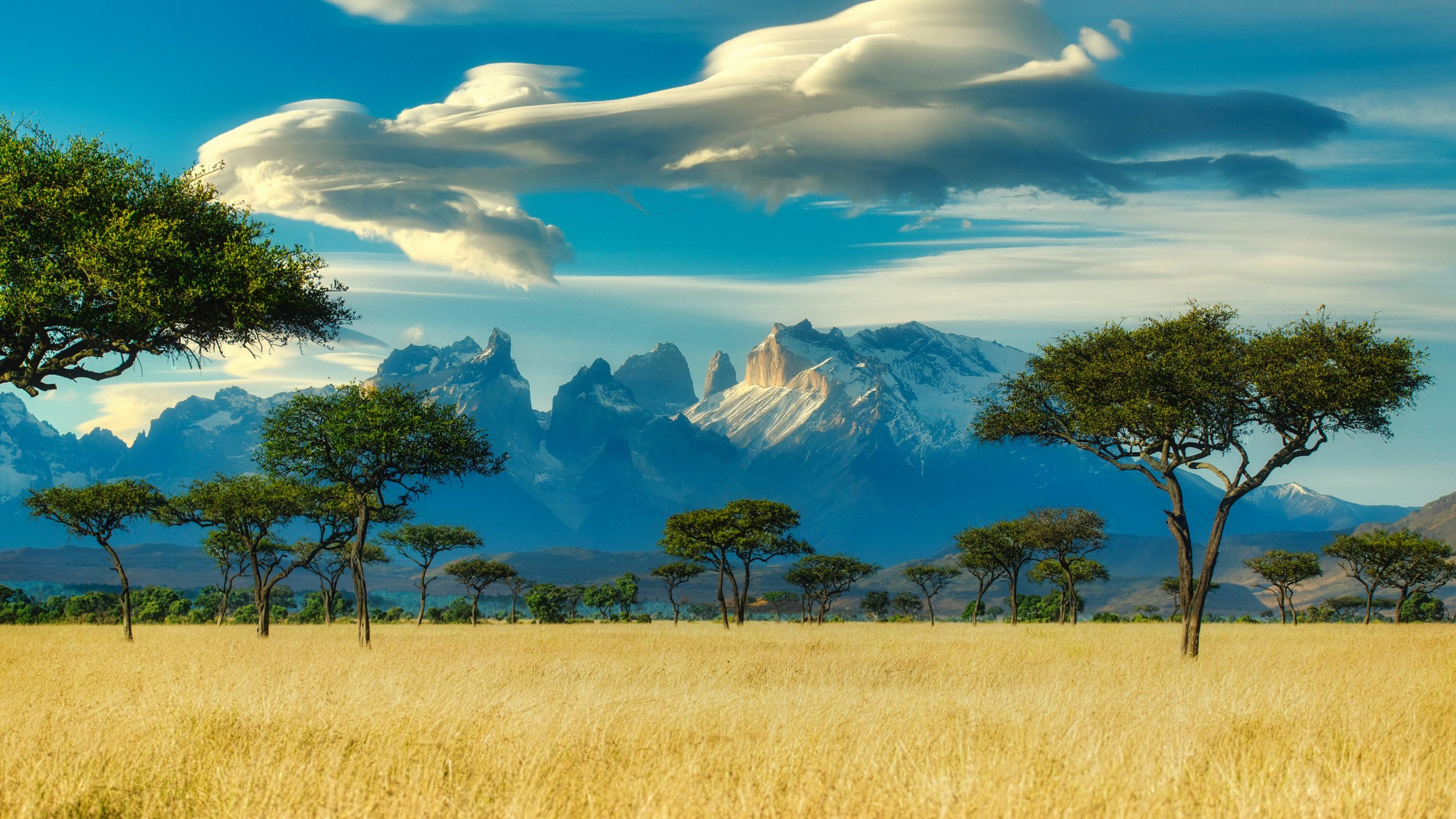
In the remote far north-east of Uganda, close to the borders with South Sudan and Kenya, lies a park so beautiful and so untouched that it often surprises even seasoned safari travellers. Kidepo Valley National Park is a land of golden savannah, rugged mountains and vast skies, where lions rest on rocky outcrops, cheetahs hunt across open plains and huge herds of buffalo move through the valleys. Because of its isolation, Kidepo receives only a fraction of the visitors of Uganda’s more famous parks, giving it a true wilderness atmosphere. CNN once ranked it among Africa’s finest national parks, and few who visit would disagree.
This complete guide covers Kidepo’s landscapes and wildlife, things to do, the cultures of Karamoja, the best time to visit, how to get there and how to plan your Kidepo safari.
Kidepo at a Glance
- Location: Karamoja region, north-eastern Uganda, bordering South Sudan and close to Kenya.
- Size: Around 1,442 square kilometres.
- Established: 1962.
- Known for: Remote wilderness, lions, cheetahs, large buffalo herds, rare dry-country species, birdlife, dramatic mountain scenery and Karamojong culture.
- Managed by: the Uganda Wildlife Authority.
The Landscape: Two Valleys
Kidepo is defined by two main river valleys. The Narus Valley, in the south-west, has the most reliable water sources, and it is where most wildlife concentrates for much of the year. Its grassy plains, dotted with sausage trees and rocky kopjes, provide superb game viewing. The Kidepo Valley, in the north-east, is drier and more open, crossed by the sandy Kidepo River, which flows only during the rains and is lined with borassus palms. Surrounding both valleys are mountain ranges, including the Morungole Mountains, which rise to over 2,700 metres and frame the park in spectacular fashion.
Wildlife in Kidepo
Kidepo is home to more than 75 species of mammals, including several found nowhere else in Uganda.
Lions. Kidepo’s lions are often seen lounging on the granite outcrops of the Narus Valley, scanning the plains for prey. Sightings are frequent and memorable.
Cheetahs. Kidepo is the only park in Uganda where cheetahs are regularly seen, typically on the open plains of the Narus and Kidepo valleys.
Other predators. Leopards, spotted and striped hyenas, black-backed and side-striped jackals, bat-eared foxes, caracals, servals and aardwolves live in the park. Several of these, such as the bat-eared fox, striped hyena and aardwolf, are found in Uganda only in Kidepo and the surrounding Karamoja region.
Buffalo and elephants. Kidepo is famous for large herds of buffalo, sometimes numbering hundreds or even over a thousand animals. Elephants are also common, often seen bathing in waterholes or crossing the valleys.
Giraffes, zebras and antelopes. Rothschild’s giraffes, plains zebras, elands, Jackson’s hartebeest, Defassa waterbucks, oribis, bohor reedbucks, Kirk’s dik-diks, Chandler’s mountain reedbucks and klipspringers all live in the park. Ostriches, rare elsewhere in Uganda, are also found here.
Birds. More than 470 bird species have been recorded, making Kidepo one of Uganda’s top birding parks. Highlights include the ostrich, kori bustard, secretary bird, Karamoja apalis, Abyssinian ground hornbill, Clapperton’s francolin, rose-ringed parakeet and many raptors, including Verreaux’s eagle and pygmy falcon. See our guide to birdwatching in Uganda.
Things to Do in Kidepo
Game drives. Morning and afternoon drives in the Narus Valley offer the best chances of lions, cheetahs, elephants and buffalo. A drive to the Kidepo Valley takes you through drier landscapes to the sandy riverbed and borassus palms.
Kanangorok Hot Springs. Near the border with South Sudan, the Kanangorok Hot Springs bubble up from the ground in a remote corner of the Kidepo Valley. The drive there is long but scenic.
Nature walks. Guided walks with an armed ranger explore the area around Apoka, the park headquarters, and the Narus Valley, offering close encounters with smaller wildlife, birds and plants. A walk to the Namamukweny Valley is popular with birders.
Hiking in the Morungole Mountains. Hikes in the Morungole range lead to the villages of the Ik people and offer sweeping views over the park.
Cultural visits. Visit a Karamojong manyatta (homestead) or the Ik communities to learn about traditional life in Karamoja.
The People of Karamoja
The Karamojong. The Karamojong are semi-nomadic pastoralists for whom cattle are central to life, wealth and identity. Their homesteads, called manyattas, are enclosed by thorny fences to protect families and livestock. Visitors can learn about their traditions, dances, dress and the challenges of life in this arid region.
The Ik. The Ik are a small community living high in the Morungole Mountains. They speak a distinct language and have a unique culture rooted in farming, hunting and gathering. Visiting an Ik village involves a hike but offers a rare insight into one of Uganda’s least-known communities.
Our 12-day Kidepo Valley and Karamoja cultural safari explores the region in depth. For more on culture, see our guide to cultural tourism in Uganda.
Best Time to Visit Kidepo
Kidepo has a single long dry season and one main wet season. The dry season, from roughly September to March, is the best time for game viewing, as animals concentrate around the remaining water in the Narus Valley. The wet season, from around April to August, turns the landscape green and is excellent for birding, though some roads become difficult. Temperatures can be hot, especially in the dry season. See our guide to the best time to visit Uganda.
How to Get to Kidepo
By air. The fastest way to reach Kidepo is by scheduled or charter flight from Entebbe or Kampala to the Apoka airstrip, which takes around two hours. Flights can also link Kidepo with Murchison Falls.
By road. Driving from Kampala takes around 10 to 12 hours, usually via Gulu and Kitgum, or via the eastern route through Mbale and Moroto, which allows stops at Sipi Falls and Mount Elgon. Many travellers break the journey with a night at Murchison Falls or in Gulu.
Where to Stay
Kidepo has a small selection of accommodation, from simple park bandas and campsites near Apoka to a mid-range lodge and a luxury safari lodge with views over the Narus Valley. Because options are limited, booking in advance is recommended, especially in the dry season.
How Much Does a Kidepo Safari Cost?
Kidepo’s remoteness means transport is the biggest cost, whether long road transfers or flights. Other costs include Uganda Wildlife Authority park fees, accommodation and activities. Flying in and out saves time and can be combined with a road journey one way. See our guides to Uganda safari costs and luxury tourism in Uganda.
Sample Kidepo Itineraries
- Fly-in safari (3–4 days): fly from Entebbe to Apoka, enjoy game drives, walks and a cultural visit, then fly back. See our 4-day Kidepo Valley wilderness safari.
- Northern circuit (7–9 days): drive via Ziwa Rhino Sanctuary and Murchison Falls, then continue to Kidepo; see our 5-day Kidepo and rhino trekking safari and Ziwa guide.
- Eastern route (8–10 days): travel via Jinja, Sipi Falls and Karamoja to Kidepo; see our guide to eastern Uganda.
Tips for Visiting Kidepo
- Pack light clothing for hot days and a warm layer for cool evenings.
- Bring binoculars, a hat, sunscreen and plenty of water.
- Allow enough time: Kidepo rewards at least two or three full days.
- Ask permission before photographing people in Karamoja.
- Check health advice before travelling; see our guide to East Africa vaccinations and malaria, and read our guide on whether Uganda is safe for tourists.
Frequently Asked Questions
Is Kidepo worth the long journey? Yes. Its scenery, wildlife and sense of isolation make it one of the most rewarding safari destinations in East Africa.
Can you see cheetahs in Kidepo? Yes. Kidepo is the only park in Uganda where cheetahs are regularly seen.
How many days do I need? At least two to three nights in the park, plus travel time.
Is Kidepo safe? The park is well managed and regularly visited. As with any remote area, travel with a reputable operator and check current advice.
Plan Your Kidepo Safari
Kidepo Valley National Park offers Uganda’s wildest safari experience, with dramatic scenery, rare wildlife and rich cultures. Kuku Safaris can arrange flights or road transfers, accommodation and activities, and combine Kidepo with Murchison Falls, eastern Uganda or gorilla trekking. Read our tips on how to choose a Uganda safari company, then get in touch to start planning.