
Lake Nakuru National Park Safari Guide: Rhinos, Flamingos & the Rift Valley
In the heart of Kenya’s Great Rift Valley, a shallow alkaline lake is ringed by acacia woodland, grassy plains and steep escarpments. Lake Nakuru National Park is compact, easy to reach and packed with wildlife, and it is one of the most reliable places in East Africa to see both black and white rhinos. Add Rothschild’s giraffes, lions, leopards, huge flocks of birds and some of the best viewpoints in the Rift Valley, and it is easy to see why Lake Nakuru has long been a favourite stop on Kenya safaris.
This complete guide covers the park’s wildlife, its famous flamingos and how they have changed in recent years, the top viewpoints, the best time to visit, how to get there and how to fit Lake Nakuru into a Kenya itinerary.
Lake Nakuru at a Glance
- Location: Central Rift Valley, next to the city of Nakuru, roughly 160 kilometres north-west of Nairobi.
- Size: Around 188 square kilometres, small enough to explore in a day.
- Known for: Black and white rhinos, Rothschild’s giraffes, flamingos and other water birds, lions, leopards and Rift Valley views.
- Status: A fully fenced national park and rhino sanctuary, managed by the Kenya Wildlife Service, and part of the Kenya Lake System in the Great Rift Valley, a UNESCO World Heritage Site.
A Sanctuary for Rhinos
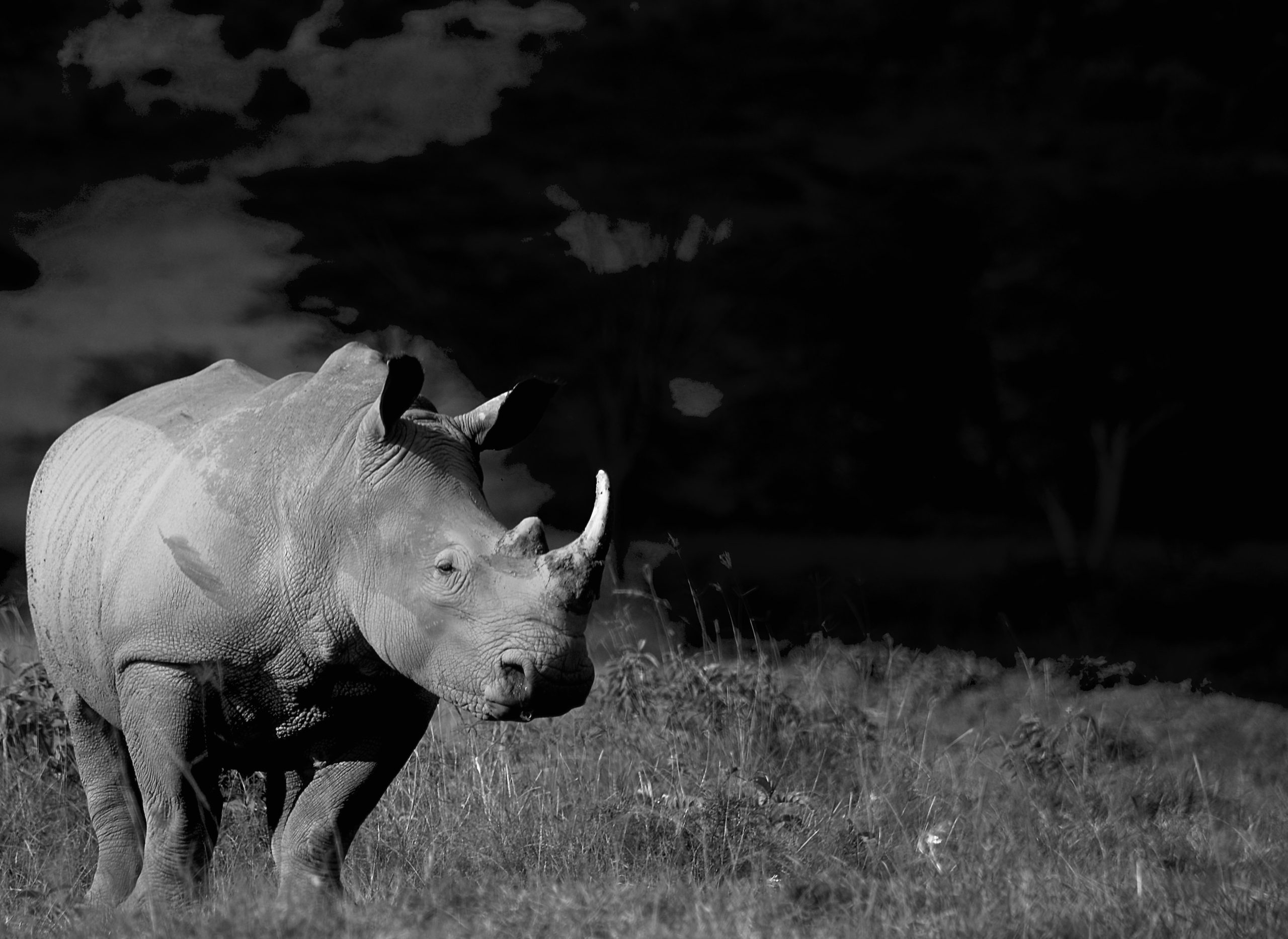
Lake Nakuru is best known today as one of Kenya’s most important rhino sanctuaries. In 1987, it became the country’s first fenced rhino sanctuary, created to protect black rhinos from the poaching that had devastated populations across Africa. White rhinos were later introduced as well. Today, the park holds a significant population of both species, and the open grasslands around the lake make Lake Nakuru one of the best places in East Africa to see rhinos in the wild.
White rhinos are usually easy to spot grazing on the open plains near the lake shore, often in small groups. Black rhinos are shyer browsers that prefer thicker bush, so sightings require more patience and a good guide. Seeing both species in a single game drive is a real possibility here. For rhinos elsewhere in the region, see our guides to Ziwa Rhino Sanctuary in Uganda and our Kenya rhino conservation safari.
The Flamingos of Lake Nakuru
For decades, Lake Nakuru was famous for the vast flocks of lesser and greater flamingos that turned its shoreline pink. The flamingos feed on algae that thrive in the lake’s shallow, alkaline water, and at times hundreds of thousands, even more than a million, birds gathered there.
In recent years, however, the lake’s water level has risen significantly, a change seen across several Rift Valley lakes. The rising water diluted the lake’s alkalinity, reduced the algae the flamingos depend on and flooded parts of the shoreline, roads and even the former park headquarters. As a result, flamingo numbers at Nakuru have fallen and vary greatly from month to month, as the birds move between Rift Valley lakes such as Bogoria, Elementaita and Natron in search of food. You may still see flocks of flamingos at Nakuru, but they are no longer guaranteed. If flamingos are a priority, ask your guide about current conditions, and consider adding Lake Bogoria or Lake Elementaita to your trip.
Other Wildlife in Lake Nakuru National Park
Rothschild’s giraffe. Lake Nakuru is home to the endangered Rothschild’s giraffe, a subspecies of the northern giraffe, which was introduced to the park as part of efforts to protect it. Look for their pale legs, which look as if they are wearing white stockings.
Big cats. Lions are regularly seen, and the park’s lions are sometimes found resting in the yellow-barked acacia trees. Leopards live in the woodland and are seen more often here than in many other Kenyan parks, especially in the early morning and late afternoon.
Buffalo, zebra and antelopes. Large herds of buffalo graze the lakeshore, along with plains zebras, waterbuck, impala, Thomson’s and Grant’s gazelles, and elands. Hyenas, jackals and warthogs are also common.
Primates. Olive baboons are everywhere, and black-and-white colobus monkeys live in the forest areas. Vervet monkeys are also common.
Hippos and pythons. Hippos are found in parts of the lake, and the park is known for its large rock pythons, which are sometimes seen in the woodland.
Birdlife. More than 450 bird species have been recorded in the park, including great white pelicans, African fish eagles, marabou storks, herons, cormorants, kingfishers and many raptors. The park is a highlight of any Rift Valley birding trip; see our Rift Valley lakes birdwatching safari.
Top Viewpoints and Attractions
Baboon Cliff. This rocky escarpment on the western side of the lake offers one of the best views in the park, looking out over the lake, the plains and the woodland below. It is a popular stop for photographs and a short break during game drives, but keep an eye on the cheeky baboons.
Out of Africa Lookout. Named after the famous film, which included aerial scenes shot over the lake, this viewpoint on the eastern side gives sweeping views across the lake.
Lion Hill. A ridge on the eastern side of the park with good views and woodland where lions and leopards are sometimes seen.
Makalia Falls. In the far south of the park, Makalia Falls is a pretty waterfall, at its best in the rainy season. There is a picnic site nearby, and it makes a good destination for a full-day game drive.
The euphorbia forest. On the eastern slopes, a forest of tall candelabra euphorbia trees forms one of the largest stands of its kind in Africa and creates a striking, almost prehistoric landscape.
Best Time to Visit Lake Nakuru
Lake Nakuru National Park is good to visit all year round. The dry seasons, from June to October and from late December to February, offer the best game viewing, as vegetation is thinner and roads are easier. The wetter months, from March to May and in November, bring green landscapes, migrant birds and fewer visitors, though some tracks can become muddy. Because the park is small and has good roads, it remains a strong option even during the rains. For a wider overview, see our guide to the best time to visit East Africa.
How to Get to Lake Nakuru
By road. Lake Nakuru is roughly three to four hours’ drive from Nairobi on the main highway through the Rift Valley, with superb views from the escarpment on the way down. The main gate is on the edge of Nakuru city, so the park is easy to reach. Most visitors travel by safari vehicle with a guide.
By air. Charter flights can land at the park’s Naishi airstrip, which is useful if you are combining Nakuru with the Maasai Mara or northern Kenya.
Remember to arrange your entry documents in advance; our guide to the Kenya eTA for tourists explains how.
How Long to Spend at Lake Nakuru
Lake Nakuru’s compact size means that a full day of game drives covers most of the park’s highlights. Many travellers spend one night in or near the park, arriving in time for an afternoon game drive and leaving after a morning drive the next day. Two nights allows for a more relaxed pace and a full-day drive to Makalia Falls. A day trip from Nairobi is possible, but the long drive leaves limited time in the park.
Where to Stay
Inside the park, there are lodges and tented camps, along with campsites for self-sufficient travellers. Staying inside the park lets you start game drives at first light and stay out until the gates close. Outside the park, Nakuru city and the surrounding area have a wide range of hotels, from budget to upmarket, and there are lodges near Lake Elementaita and Lake Naivasha that are within easy reach.
How Much Does a Lake Nakuru Safari Cost?
Your costs will include Kenya Wildlife Service park entry fees, accommodation, vehicle and guide, and meals. Lake Nakuru is often included in multi-day Kenya safaris, which can offer better value than visiting on its own. For budgeting help, see our guides to East Africa safari costs and how to choose a Kenya safari package.
Combining Lake Nakuru With Other Destinations
- Lake Naivasha and Hell’s Gate: just over an hour away, Naivasha offers boat trips, walking safaris and cycling among wildlife; read our Lake Naivasha and Hell’s Gate guide.
- The Maasai Mara: Nakuru is a popular stop on the way to or from the Mara, breaking up the drive and adding rhinos to your sightings; see our Amboseli, Naivasha and Maasai Mara safari.
- Lake Bogoria and Lake Baringo: to the north, Bogoria offers hot springs, geysers and often large flamingo flocks, while Baringo is a freshwater lake famous for birding.
- Northern Kenya: continue north to Samburu National Reserve for dry-country wildlife such as Grevy’s zebras and reticulated giraffes.
- Uganda: Nakuru lies on the overland route between Nairobi and western Kenya, making it a natural stop on a cross-border trip to Uganda.
Tips for Visiting Lake Nakuru
- Visit early in the morning for the best chance of seeing leopards and black rhinos.
- Bring binoculars and a camera with a zoom lens for birds and distant rhinos.
- Do not leave food or bags unattended at viewpoints, as baboons are bold and quick.
- Mornings and evenings can be cool at Nakuru’s altitude, so pack a warm layer.
- Check health advice before you travel and read our guide to East Africa vaccinations and malaria; our first-time safari tips cover what to pack.
Frequently Asked Questions
Can you still see flamingos at Lake Nakuru? Sometimes. Since the lake’s water levels rose, flamingo numbers have dropped and fluctuate widely. Lake Bogoria is often a more reliable place to see large flocks.
Can you see the Big Five at Lake Nakuru? Lake Nakuru has lions, leopards, buffalo and both black and white rhinos, but no elephants, so you will see four of the Big Five here.
Is Lake Nakuru worth visiting? Yes. It is one of the best places in Kenya to see rhinos and Rothschild’s giraffes, it is easy to reach from Nairobi and it combines well with the Maasai Mara and Lake Naivasha.
Is Lake Nakuru good for families? Yes. The park is compact, the roads are good, and children love the rhinos, giraffes and baboons; see our guide to family safaris in East Africa.
Can I walk in Lake Nakuru National Park? Game viewing is by vehicle, as the park has big cats and buffalo, though you can get out at designated viewpoints and picnic sites such as Baboon Cliff and Makalia Falls.
Plan Your Lake Nakuru Safari
With its rhinos, rare giraffes, big cats and sweeping Rift Valley views, Lake Nakuru National Park packs a remarkable amount into a small area. Kuku Safaris can include Nakuru in a Kenya itinerary alongside the Maasai Mara, Lake Naivasha, Samburu and more, with experienced local guides and carefully selected lodges. Get in touch to start planning your Rift Valley safari.