
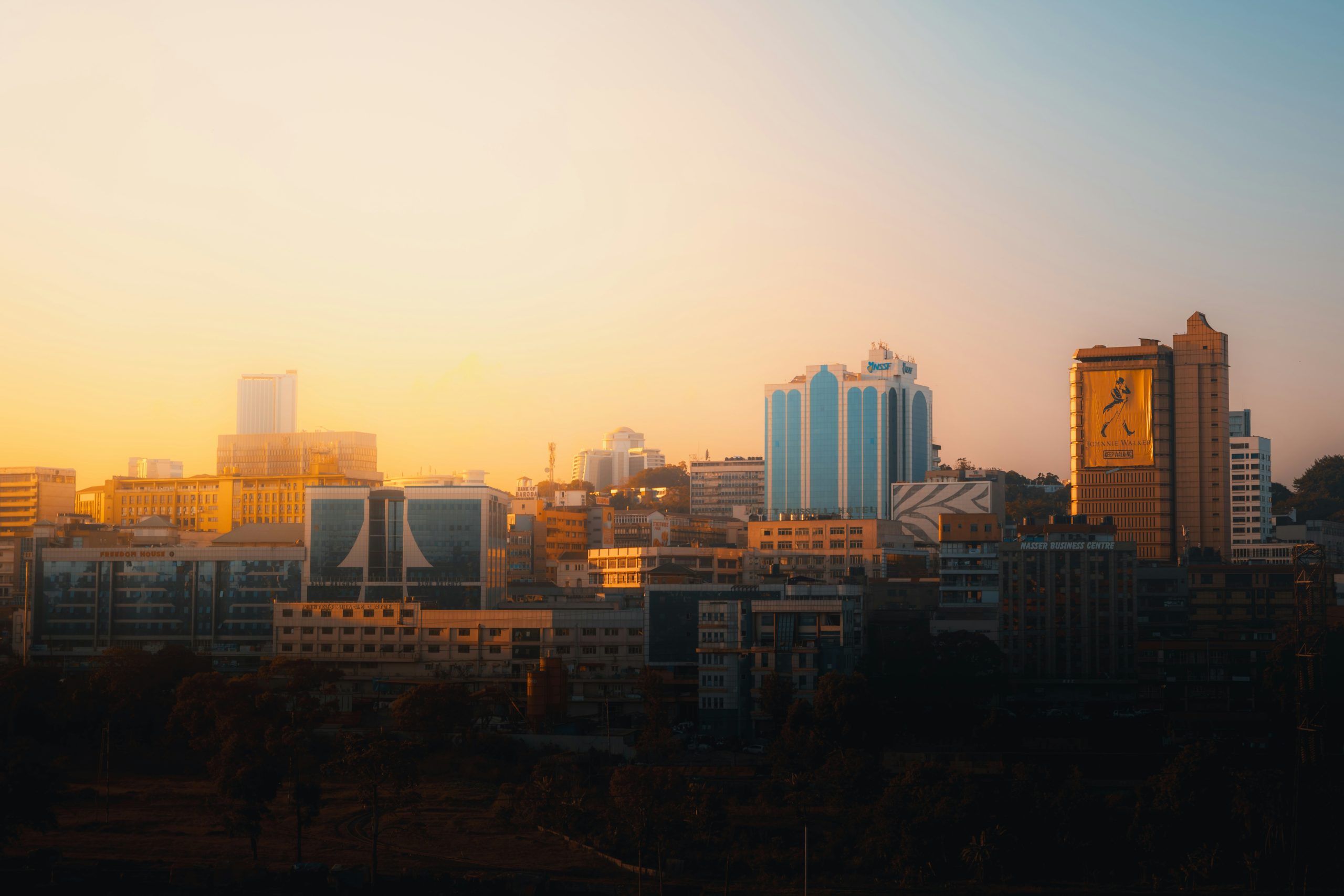
Kampala City Guide: Top Things to Do in Uganda’s Capital
Kampala is a city that hums with energy. Spread across a series of green hills near the shores of Lake Victoria, Uganda’s capital is a vibrant mix of royal history, religious landmarks, bustling markets, street food, music and nightlife. Boda boda motorcycle taxis weave through the traffic, the calls to prayer and church bells echo across the hills, and the warmth of its people quickly wins visitors over. Most travellers pass through Kampala on their way to gorilla trekking or a safari, but spending a day or two exploring the city adds a rich layer of culture and history to any Uganda trip.
This complete guide covers the best things to do in Kampala, where to eat and stay, how to get around, practical tips and easy day trips from the city.
Kampala at a Glance
- Location: Central Uganda, near the northern shore of Lake Victoria.
- Nearest international airport: Entebbe International Airport, around 40 kilometres away, connected by an expressway.
- Known for: Its hills, the Buganda kingdom’s heritage, religious sites, markets, food and nightlife.
- Languages: English and Swahili are official languages, and Luganda is widely spoken in the city.
The City of Hills
Kampala is traditionally said to be built on seven hills, though the city has long since spread across many more. Each of the original hills has its own landmark and story: Mengo, home of the Kabaka’s palace; Rubaga and Namirembe, crowned by Catholic and Anglican cathedrals; Old Kampala, with its great mosque; Nakasero, the commercial and government heart; Kibuli, with another important mosque; and Makerere, home to one of Africa’s oldest universities. The name Kampala is often linked to the impala that once grazed on the hills, which were used as hunting grounds by the Kabaka of Buganda.
Top Things to Do in Kampala
1. Kasubi Tombs. The Kasubi Tombs, on Kasubi Hill, are the burial place of four Kabakas (kings) of Buganda and one of the most important spiritual sites for the Baganda people. The main building, a vast thatched structure called Muzibu Azaala Mpanga, is a masterpiece of traditional architecture and a UNESCO World Heritage Site. It was badly damaged by fire in 2010 and has since been reconstructed using traditional methods. Guided visits explain Buganda’s royal traditions.
2. Uganda Martyrs Shrine, Namugongo. Just outside the city centre, Namugongo commemorates the Christian converts who were killed on the orders of Kabaka Mwanga II in the 1880s. Both the Catholic and Anglican shrines are important pilgrimage sites, and on Martyrs Day, 3 June, hundreds of thousands of pilgrims, many of whom walk for days from across East Africa, gather for one of the largest religious events in Africa. See our guide to religious tourism in Uganda.
3. Uganda National Mosque (Old Kampala). Often called the Gaddafi Mosque, this grand mosque on Old Kampala Hill is one of the largest in Africa. Visitors can tour the building and climb the minaret for one of the best panoramic views of the city. Modest dress is required, and headscarves and wraps are provided.
4. Mengo Palace and the Bulange. The Lubiri, or Mengo Palace, is the traditional residence of the Kabaka of Buganda. The grounds include a sobering site: underground chambers used during the regime of Idi Amin, which can be visited with a guide. A royal mile connects the palace with the Bulange, the parliament building of the Buganda Kingdom, an impressive structure that hosts the kingdom’s administration.
5. Cathedrals of Rubaga and Namirembe. St Mary’s Cathedral, Rubaga, is the seat of the Catholic Archdiocese of Kampala, while St Paul’s Cathedral, Namirembe, is Uganda’s oldest Anglican cathedral. Both sit on hilltops with lovely views, and their histories are closely tied to the arrival of Christianity in Uganda.
6. Uganda Museum. Founded in the early twentieth century, the Uganda Museum displays traditional musical instruments, crafts, archaeology, natural history and ethnography from across the country, along with a collection of traditional huts in its grounds. It provides a useful introduction to Uganda’s diverse cultures.
7. Markets. Kampala’s markets are an experience in themselves. Owino Market (St Balikuddembe), one of the largest in East Africa, sells everything from second-hand clothes to household goods. Nakasero Market is the place for fresh fruit, vegetables and spices. For crafts, head to the craft village behind the National Theatre or the many craft shops around the city, where you can buy bark cloth, baskets, carvings and jewellery.
8. Ndere Cultural Centre. Evening performances at the Ndere Centre showcase traditional music, dance and storytelling from all over Uganda, usually accompanied by dinner. It is one of the best ways to experience the country’s cultural diversity in a single evening.
9. Lake Victoria. Head to the lakeshore at Munyonyo or Ggaba for boat trips, fish markets, sunset views and lakeside dining.
10. Arts and galleries. Kampala has a lively contemporary art scene, with galleries showing work by Ugandan artists and a growing number of creative spaces and cafés.
Food and Drink
No visit to Kampala is complete without trying a rolex, Uganda’s beloved street food: an omelette rolled up in a chapati, cooked fresh at roadside stalls. Other local dishes include matoke (steamed green bananas), luwombo (a stew traditionally steamed in banana leaves), groundnut sauce, grilled meat on skewers, roasted maize and fresh tilapia from Lake Victoria. Kampala also has excellent international restaurants, including Indian, Ethiopian, Italian and Chinese cuisine, and a growing number of coffee shops serving Ugandan coffee.
Nightlife
Kampala is known for its lively nightlife, with bars, live music venues, rooftop lounges and nightclubs, particularly in areas such as Kololo, Kisementi and Kabalagala. Weekends are especially vibrant, and live performances of Ugandan music are common.
Day Trips From Kampala
- Entebbe: visit the Uganda Wildlife Conservation Education Centre, the Entebbe Botanical Gardens and the lakeside beaches.
- Mabamba Swamp: take a canoe through papyrus wetlands near Entebbe in search of the prehistoric-looking shoebill stork.
- Jinja: visit the Source of the Nile and try white-water rafting; see our Jinja guide.
- Ngamba Island: a boat trip from Entebbe leads to a chimpanzee sanctuary on an island in Lake Victoria.
- The Equator: stop at the equator line at Kayabwe on the road west.
- Ssese Islands: escape to Lake Victoria’s islands for a few days; see our Ssese Islands guide.
For birders, our guide to birdwatching in Uganda covers more sites around the capital and beyond.
Where to Stay
Kampala offers a full range of accommodation, from international hotels and boutique guesthouses in leafy Kololo and Nakasero to budget hostels and lakeside resorts near Munyonyo. Many travellers prefer to stay in Entebbe, closer to the airport, especially on their first and last nights, as it is quieter and avoids Kampala’s traffic.
Getting Around
Kampala’s traffic can be heavy, especially during rush hours. Ride-hailing apps and private taxis are convenient options. Boda bodas (motorcycle taxis) are fast and popular, but always insist on a helmet and use app-based boda services where possible. Matatus (shared minibus taxis) are cheap but can be confusing for first-time visitors. On a safari, your guide will usually drive you between sites.
Practical Tips
- Safety: Kampala is generally welcoming, but take normal city precautions: keep valuables out of sight and use trusted transport at night. See our guide to whether Uganda is safe for tourists.
- Money: The currency is the Ugandan shilling. Cards are accepted in larger hotels and restaurants, and mobile money is widely used; carry cash for markets and street food.
- Dress: Smart-casual clothing is fine. Dress modestly at religious sites.
- Visas: Arrange your visa before you travel; see our guides to the Uganda eVisa and the East Africa Tourist Visa.
- Health: Check vaccination and malaria advice; see our guide to East Africa vaccinations and malaria.
Best Time to Visit Kampala
Kampala enjoys a warm, pleasant climate all year. The drier months, from June to August and December to February, are the most comfortable for sightseeing and coincide with the best time for gorilla trekking and safaris. Rain usually falls in short, heavy bursts during the wet seasons. If you want to experience Martyrs Day, plan to be in Kampala on 3 June, but book accommodation well in advance. See our guide to the best time to visit Uganda.
Fitting Kampala Into Your Safari
A half-day or full-day city tour fits easily at the start or end of a Uganda safari. From Kampala, safaris head west to Queen Elizabeth National Park, Kibale and Bwindi for gorillas; north to Murchison Falls via Ziwa Rhino Sanctuary; or east to Jinja and Mount Elgon. See our 10-day Uganda safari itinerary and our gorilla trekking guide for first-timers for ideas.
More Uganda Travel Guides
- The Pearl of Africa: Uganda’s best destinations, 2026–2027
- Top safari attractions in Uganda for 2027
- The top 10 most fascinating Uganda wildlife experiences
- The ultimate Uganda safari: gorillas and the Big Five
- The ideal 4-day Uganda tour plan
- 3-day Ugandan culinary tour
- AFCON 2027 Uganda: the ultimate fan travel guide
- 15-day best of AFCON Uganda safari
Ready to plan your trip? Read our step-by-step guide on how to book a safari with Kuku Safaris.
Frequently Asked Questions
Is Kampala worth visiting? Yes. A day in Kampala offers a fascinating introduction to Ugandan culture, history and food before or after your safari.
How many days do I need in Kampala? One full day covers the main sights; two days allows time for markets, a cultural show and a day trip.
Should I stay in Kampala or Entebbe? Entebbe is quieter and closer to the airport, while Kampala puts you at the heart of the action. Many travellers stay in Entebbe and visit Kampala on a day tour.
What is the best street food in Kampala? The rolex is a must-try, along with grilled meat skewers, roasted maize and fresh fruit.
Plan Your Kampala and Uganda Trip
Kampala is the beating heart of Uganda, a city of history, faith, flavour and music. Kuku Safaris can arrange airport transfers, guided city tours and accommodation, and build a full Uganda itinerary with gorillas, chimpanzees, wildlife safaris and adventure. For official destination information, visit the Uganda Tourism Board, read our guide on how to choose a Uganda safari company and get in touch to start planning.