
Lake Mburo National Park: Uganda’s Easiest Safari Add-On
Lake Mburo National Park is Uganda’s most accessible savannah park and one of its most underrated. Just four hours’ drive west of Kampala, it protects a patchwork of rolling grassland, acacia woodland, rocky ridges, papyrus swamps and sparkling lakes. Here you can watch zebras and impalas graze beside the road, glide past hippos on a boat safari, walk or cycle among wildlife, and even explore on horseback, experiences that are rare or impossible in Uganda’s larger parks. Because it lies on the main road between Kampala and Bwindi, Lake Mburo is also the perfect stopover on the way to gorilla trekking.
This complete guide covers Lake Mburo’s wildlife, the best activities, the best time to visit, how to get there, where to stay and how to fit the park into your Uganda safari.
Lake Mburo National Park at a Glance
- Location: Kiruhura District, western Uganda, about 240 kilometres from Kampala and 30 kilometres east of Mbarara.
- Size: Around 370 square kilometres, making it the smallest of Uganda’s savannah national parks.
- Established: Gazetted as a national park in 1983.
- Known for: Zebras, impalas, elands, Rothschild’s giraffes, leopards, hippos, lake boat trips, walking, cycling and horseback safaris.
- Managed by: the Uganda Wildlife Authority.
Landscapes and Lakes
Lake Mburo is part of a wetland system of around 14 lakes linked by swamps, five of which lie within the park. The largest, Lake Mburo itself, gives the park its name. Around the lakes, the scenery shifts between open grassy plains, acacia woodland, rocky outcrops, gallery forest along the shores and patches of papyrus. The varied habitats are what give the park its surprising diversity of wildlife and birds.
The area was historically used by the Bahima, pastoralists famous for their Ankole long-horned cattle, and these magnificent animals can still be seen around the park’s edges. The relationship between wildlife and livestock has shaped the park’s history and continues to influence its management.
Wildlife in Lake Mburo
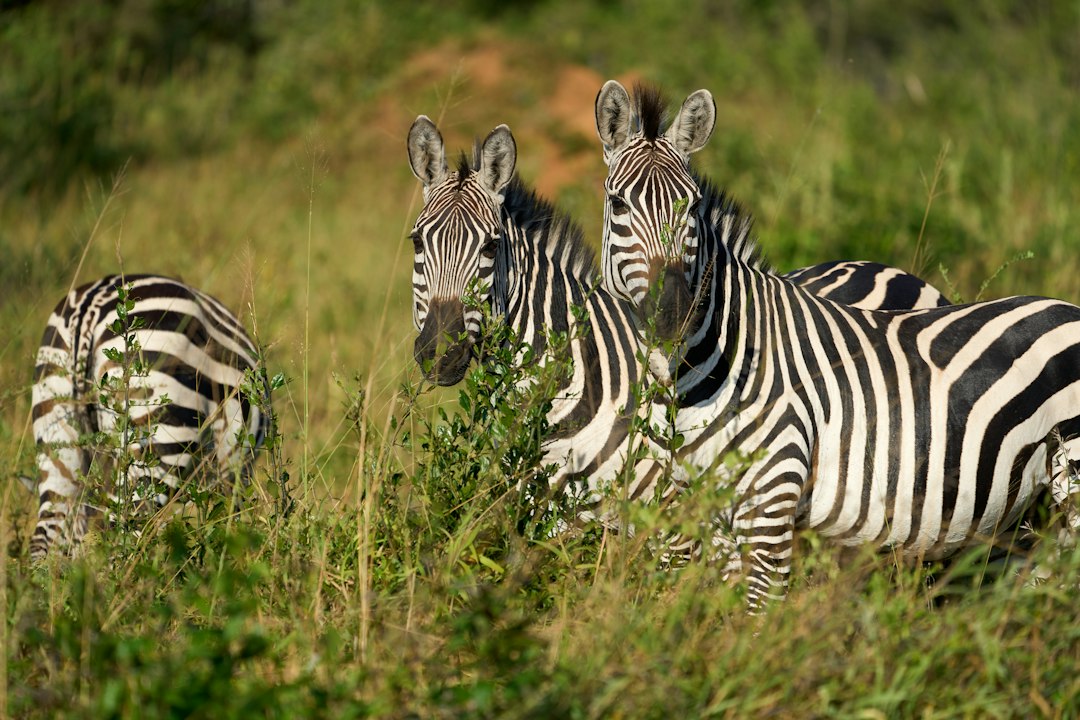
Zebras and impalas. Lake Mburo is the best place in Uganda to see plains zebras and is famous as the main home of impalas in the country. Both are common and easy to spot throughout the park.
Eland and other antelopes. The park has a healthy population of elands, Africa’s largest antelope, as well as topis, Defassa waterbucks, oribis, bushbucks, reedbucks and the swamp-dwelling sitatunga.
Rothschild’s giraffes. Giraffes were translocated to Lake Mburo from Murchison Falls in 2015 and have settled well, now adding to the park’s appeal.
Buffalo, warthogs and hippos. Herds of buffalo graze the plains, warthogs are everywhere, and hippos and crocodiles live in the lakes.
Predators. Leopards are the park’s main predator and are seen fairly often, especially on night drives. Spotted hyenas, side-striped jackals, servals and white-tailed mongooses also live here. Lions occasionally pass through, but they are not resident, which is one reason walking, cycling and horseback safaris are possible.
Birds. More than 350 bird species have been recorded, including the African finfoot, papyrus gonolek, red-faced barbet, rufous-bellied heron, Ross’s turaco, white-winged warbler and African fish eagle. Lake Mburo is also one of the places where the shoebill is occasionally seen; read our guide on where to see the shoebill in Uganda.
Things to Do in Lake Mburo
Game drives. A network of tracks covers the park’s plains and woodland. Morning and late-afternoon drives offer the best wildlife viewing, with zebras, impalas, elands, giraffes and buffalo often seen at close range.
Night game drives. Lake Mburo is one of the few Ugandan parks where night drives are offered. With a spotlight and an armed ranger, you may find leopards, hyenas, bushbabies, genets, civets and other nocturnal creatures.
Boat safaris on Lake Mburo. A two-hour boat trip on the lake brings you close to hippos, crocodiles, buffalo drinking on the shore and many water birds, including fish eagles, kingfishers, herons and, with luck, the elusive African finfoot.
Walking safaris. Guided walks with a ranger let you approach zebras, impalas and other animals on foot. Popular walks lead to a salt lick where animals gather, and to viewpoints over the lakes.
Horseback safaris. One of the most memorable ways to experience Lake Mburo is on horseback. Because horses are not seen as predators, zebras, elands and giraffes often allow riders to approach closely. Rides are available for beginners and experienced riders. See our 3-day Lake Mburo horseback and walking safari and our 7-day walking, horseback and cycling safari.
Cycling. Guided mountain-bike rides take you through parts of the park and the surrounding ranches, often passing zebras and antelopes.
Fishing. Sport fishing for tilapia is permitted at a designated site on Lake Mburo with a permit.
Rubanga Forest. A small patch of forest in the park, Rubanga is excellent for birdwatching and can be explored with a ranger.
Cultural visits. Visit a Bahima homestead to learn about Ankole cattle, traditional milk processing and pastoral life. For more ideas, see our guide to cultural tourism in Uganda.
Best Time to Visit Lake Mburo
Lake Mburo can be visited throughout the year. The dry seasons, from June to August and December to February, are the best for game viewing, as animals gather near the lakes and the grass is shorter. The wet seasons, from March to May and September to November, bring lush green scenery, migratory birds and newborn animals, with lower rates at some lodges. Rain usually falls in short afternoon showers. See our guide to the best time to visit Uganda.
How to Get There
Lake Mburo is about four to five hours’ drive from Kampala or Entebbe along the Masaka–Mbarara highway, with a stop at the equator on the way. The park has two main gates, Nshara and Sanga, both reached by short murram roads from the highway. Charter flights to nearby airstrips can also be arranged. Many travellers combine the drive with a visit to the Ssese Islands via the Bukakata ferry; see our Ssese Islands guide.
Where to Stay
Lake Mburo has accommodation for every budget, from park bandas and campsites near the lake to comfortable tented camps and upmarket lodges with views over the plains. Some lodges are located on private land just outside the park, where walking and horseback activities are offered. Staying inside or close to the park allows you to enjoy early-morning and night activities.
How Much Does a Visit Cost?
Costs include Uganda Wildlife Authority park entry fees, activity fees for boat trips, walks, night drives and horseback rides, accommodation and transport. Lake Mburo is one of the more affordable parks in Uganda, especially for short trips. See our guides to Uganda safari costs, affordable Uganda safaris and budget vs luxury safaris.
Fitting Lake Mburo Into Your Safari
- On the way to the gorillas: break the long drive from Kampala to Bwindi with a night at Lake Mburo; see our Bwindi gorilla trekking guide.
- With Queen Elizabeth and Kibale: continue west to Queen Elizabeth National Park, Kalinzu or Kibale.
- With lakes and islands: combine Mburo with Lake Bunyonyi, Lake Mutanda or the Ssese Islands.
- Short trip from Kampala: a two- or three-day safari from Entebbe or Kampala for travellers with limited time.
See our 10-day Uganda safari itinerary for a full route.
Tips for Visiting
- Book horseback rides and night drives in advance, as places are limited.
- Wear long trousers and closed shoes for walking and riding activities.
- Use insect repellent, as tsetse flies can be present in wooded areas.
- Bring binoculars for birding and a camera with a zoom lens.
- Check health advice before travelling; see our guide to East Africa vaccinations and malaria.
Ready to plan your safari? Read our step-by-step guide on how to book a safari with Kuku Safaris.
Frequently Asked Questions
Are there lions in Lake Mburo? Lions are occasionally recorded passing through, but they are not resident. Leopards are the main predator.
Is Lake Mburo worth visiting? Yes. It offers easy access, excellent zebra and antelope viewing, boat trips and unique activities such as horseback and walking safaris.
How many days do I need? One night is enough for a game drive and boat trip; two nights allows time for a walk, horseback ride or night drive.
Is Lake Mburo good for families? Yes. Short drives from Kampala, gentle activities and plenty of visible animals make it ideal; see our guide to family safaris in East Africa.
Plan Your Lake Mburo Safari
Lake Mburo National Park offers a relaxed, varied and affordable safari experience close to Kampala and on the way to the gorillas. Kuku Safaris can arrange your accommodation, activities and transport, and combine Lake Mburo with gorilla trekking, chimpanzees and the rest of Uganda. Read our tips on how to choose a Uganda safari company, then get in touch to start planning.