
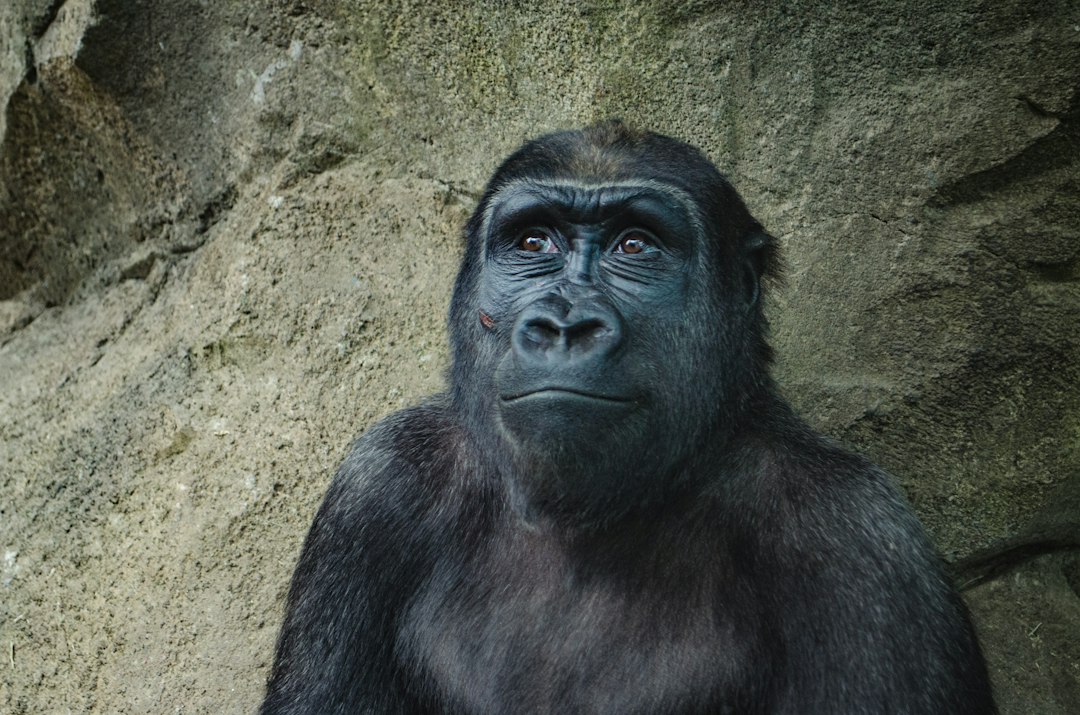
Dian Fossey’s Legacy: The Woman Who Saved the Mountain Gorillas
Few people have shaped the fate of a species as profoundly as Dian Fossey. For almost two decades, the American primatologist lived among the mountain gorillas of Rwanda’s Virunga volcanoes, studying their behaviour, naming individuals, learning their vocalisations and fighting fiercely to protect them from poachers. Her work, her book Gorillas in the Mist and her violent death in 1985 brought the plight of the mountain gorilla to the attention of the world. Today, mountain gorillas are one of the few great ape populations that are increasing, and much of that success can be traced back to the foundations she laid.
This guide tells Dian Fossey’s story, explains her legacy for mountain gorillas and conservation, and shows how visitors to Rwanda and Uganda can connect with her work today.
Early Life and the Road to Africa
Dian Fossey was born in San Francisco, California, in 1932. She trained as an occupational therapist and worked with children in Kentucky, but she had long dreamed of visiting Africa. In 1963, she took out a loan to fund a safari to East Africa. During that trip, she met the famous palaeoanthropologists Louis and Mary Leakey at Olduvai Gorge in Tanzania and visited the Virunga Mountains, where she saw mountain gorillas for the first time. The experience changed her life.
Louis Leakey believed that long-term studies of great apes in the wild would shed light on human evolution. He had already supported Jane Goodall’s chimpanzee research at Gombe and would later support Biruté Galdikas’s work with orangutans. The three women became known as “Leakey’s Angels” or the “Trimates”. In 1966, Leakey invited Fossey to undertake a long-term study of mountain gorillas, and she accepted.
Karisoke Research Center
Fossey began her research in 1967 at Kabara, on the Congolese side of the Virungas, but political unrest forced her to leave. Later that year, she crossed into Rwanda and established a camp in the saddle between Mount Karisimbi and Mount Bisoke. She named it Karisoke, combining the names of the two volcanoes. It would become one of the longest-running field research stations in the world.
Life at Karisoke was tough: cold, wet and isolated at around 3,000 metres. Fossey spent long hours in the forest, gradually habituating gorilla groups to her presence by imitating their behaviour, such as feeding, grooming and making contented vocalisations. Over time, the gorillas accepted her, allowing her to observe their family life in unprecedented detail. A photograph of a young gorilla named Peanuts touching her hand, published by National Geographic, became one of the most famous images in the history of primatology.
What She Discovered
Before Fossey’s work, gorillas were widely portrayed as aggressive, dangerous beasts. Her research showed the opposite: mountain gorillas are generally gentle, social animals with strong family bonds. She documented how groups are led by silverbacks, how females move between groups, how infants develop and how gorillas communicate with a variety of sounds and gestures. She also recorded the impact of poaching, disease and habitat loss on gorilla populations. Her work earned her a doctorate from Cambridge University in 1976. To learn more about gorilla behaviour, read our guide to mountain gorilla facts.
Digit and the Fight Against Poaching
Among the gorillas Fossey knew, none was more special to her than Digit, a young male from a group she studied for years. On 31 December 1977, Digit was killed by poachers while defending his group. His death devastated Fossey and transformed her approach. She founded the Digit Fund to finance anti-poaching patrols and became increasingly confrontational towards poachers, destroying snares and traps and challenging those she believed were threatening the gorillas. She called this approach “active conservation”.
Her methods were controversial, and she clashed with local officials, other conservationists and those who favoured tourism as a conservation tool. Yet her uncompromising commitment helped prevent the mountain gorilla from slipping into extinction at a time when its numbers were dangerously low.
Gorillas in the Mist
In 1983, Fossey published Gorillas in the Mist, a vivid account of her years at Karisoke. The book became an international bestseller and brought the mountain gorillas’ story to a global audience. In 1988, it was adapted into a Hollywood film starring Sigourney Weaver, which further raised awareness of the species and its struggle for survival.
Her Death
In December 1985, Dian Fossey was found murdered in her cabin at Karisoke. The case has never been fully resolved, and theories about who was responsible remain debated. She was buried at Karisoke, in the gorilla graveyard she had created, beside Digit and other gorillas she had known. Her gravestone bears the name the local people gave her, “Nyiramachabelli”, often translated as “the woman who lives alone on the mountain”.
Dian Fossey’s Legacy
Research continues. The organisation she founded is now the Dian Fossey Gorilla Fund, which continues daily protection and monitoring of gorillas in Rwanda, as well as research and conservation work in the Democratic Republic of the Congo. Its Ellen DeGeneres Campus near Volcanoes National Park is a centre for science, education and conservation, with a museum open to visitors.
Gorilla numbers have grown. When Fossey began her work, mountain gorillas numbered only a few hundred and were declining. Thanks to decades of protection, veterinary care, community involvement and carefully managed tourism, there are now just over 1,000, and in 2018 the species was moved from critically endangered to endangered.
Tourism as a conservation tool. Fossey was sceptical about tourism, fearing disturbance and disease. Today, strictly regulated gorilla tourism, with small groups, limited time and health rules, is a key source of funding for protection and for communities living around the parks. It is one of the most successful examples of conservation tourism in the world.
Inspiring future generations. Fossey’s story continues to inspire scientists, conservationists and travellers, many of whom first learned about gorillas through her book or the film.
Visiting Dian Fossey’s Grave
Visitors to Volcanoes National Park can hike to the site of Karisoke Research Center and Dian Fossey’s grave. The hike begins at the edge of the park near Kinigi and climbs through farmland, bamboo and Hagenia forest. It is steep and often muddy, taking around four to six hours for the round trip depending on fitness and conditions. At the site, you can see the remains of the research camp, Fossey’s grave and the graves of the gorillas buried beside her. Along the way, you may encounter buffalo signs, forest birds or even gorillas. Read our full Volcanoes National Park guide.
Seeing Mountain Gorillas Today
The best way to honour Dian Fossey’s legacy is to see the gorillas for yourself, responsibly. Mountain gorillas can be visited in:
- Volcanoes National Park, Rwanda: where Fossey worked; see our guide to the Rwanda gorilla permit cost.
- Bwindi Impenetrable National Park, Uganda: home to around half of all mountain gorillas; see our Bwindi gorilla trekking guide.
- Mgahinga Gorilla National Park, Uganda: the Ugandan part of the Virungas; see our Mgahinga guide, with nearby stays at Lake Mutanda.
Not sure which country to choose? Read our Rwanda or Uganda for gorillas decision guide. Before your trek, read our guides on what to expect on a gorilla trek, gorilla etiquette and rules and the gorilla trekking packing list.
Golden Monkeys: Another Virunga Treasure
Fossey also encountered golden monkeys in the bamboo forests around Karisoke. These playful, endangered primates are found only in the Albertine Rift, and trekking to see them is a wonderful addition to a gorilla trip. See our guide to golden monkey trekking in Rwanda.
Frequently Asked Questions
Where did Dian Fossey work? At Karisoke Research Center, in what is now Volcanoes National Park, Rwanda.
Can I visit Dian Fossey’s grave? Yes. A guided hike from Volcanoes National Park leads to her grave and the old Karisoke camp.
Is the Dian Fossey Gorilla Fund still active? Yes. It continues to protect and study gorillas in Rwanda and the DRC and runs education and community programmes.
How many mountain gorillas are there today? Just over 1,000, living in the Virunga Massif and in Bwindi–Sarambwe.
Follow in Her Footsteps
Standing in the forest with a family of mountain gorillas is the most powerful way to understand why Dian Fossey dedicated her life to them. Kuku Safaris can arrange gorilla permits in Rwanda or Uganda, the hike to Fossey’s grave, golden monkey trekking and a visit to the Ellen DeGeneres Campus. Explore our gorilla trekking packages, start your journey with our Kigali city guide, and get in touch to start planning.