
Samburu National Reserve: Kenya’s Special Five and the Wild North
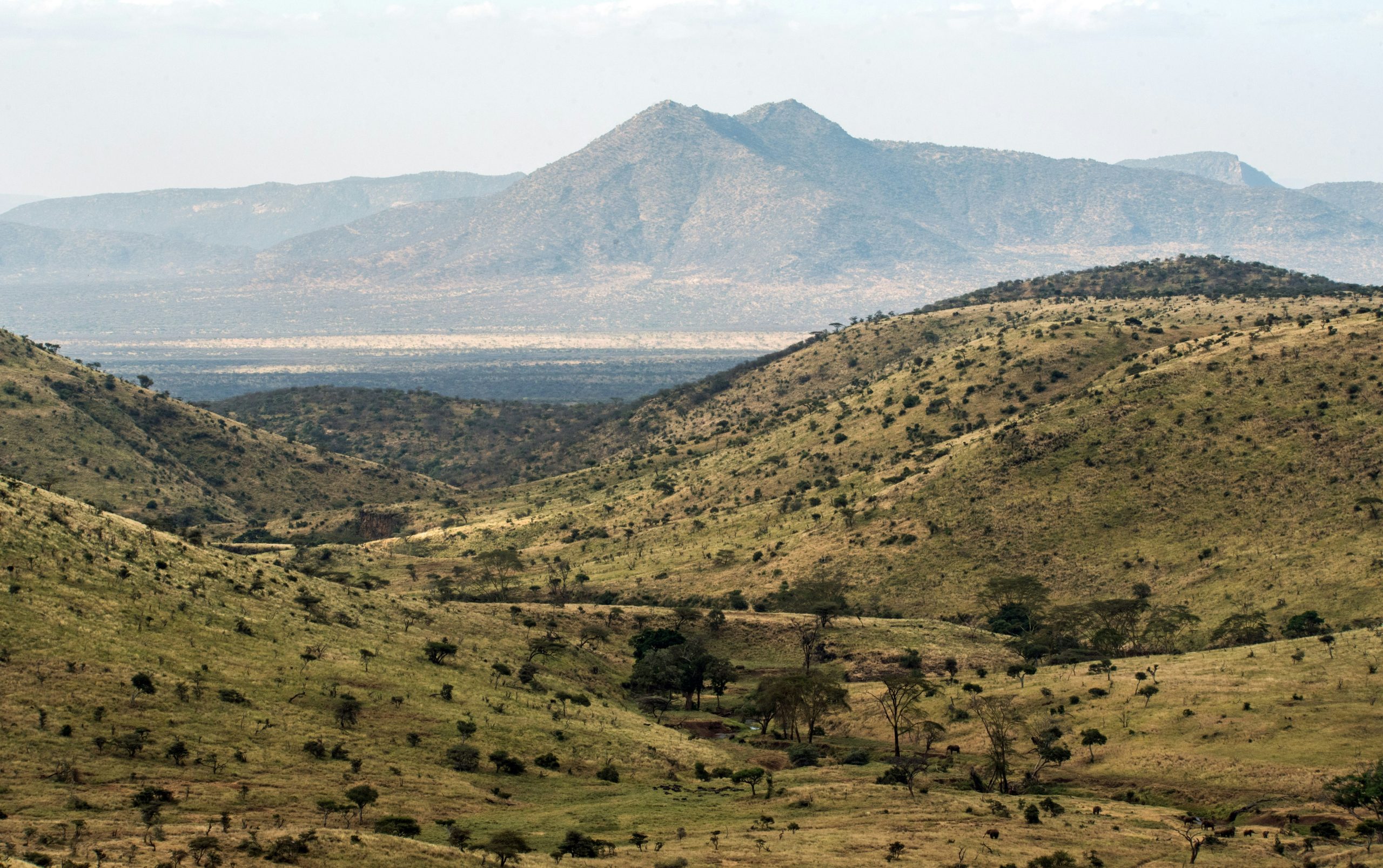
North of Mount Kenya, the land falls away into a hotter, drier world of red earth, doum palms and rocky hills. Here, along the banks of the Ewaso Ng’iro River, lies Samburu National Reserve, one of Kenya’s most distinctive safari destinations. Samburu is home to wildlife you will not find in the Maasai Mara or Amboseli, including the famous “Samburu Special Five”, as well as big cats, large herds of elephants and the colourful Samburu people. With fewer vehicles than the southern parks and a wild, rugged beauty, it is a must for anyone wanting to see a different side of Kenya.
This complete guide covers Samburu’s wildlife, the neighbouring reserves and conservancies, Samburu culture, the best time to visit, how to get there and how to combine Samburu with the rest of Kenya.
Samburu at a Glance
- Location: Samburu County, northern Kenya, roughly 350 kilometres north of Nairobi.
- Size: Around 165 square kilometres, adjoining Buffalo Springs and Shaba National Reserves across the river.
- Landscape: Semi-arid bushland, riverine forest along the Ewaso Ng’iro River, rocky hills and open plains.
- Known for: The Samburu Special Five, elephants, leopards and Samburu culture.
The Ewaso Ng’iro River
The lifeline of Samburu is the Ewaso Ng’iro River, which flows from the slopes of Mount Kenya and the Aberdares northwards through this arid land. Its banks are lined with acacias, tamarinds and doum palms, and in the dry season it draws wildlife from far and wide. Elephants dig for water in the sandy riverbed, crocodiles bask on the banks and leopards rest in the riverine trees. Most lodges and camps are located along the river, offering wonderful views of animals coming to drink.
The Samburu Special Five
Samburu is famous for five species adapted to arid conditions that are rarely or never seen in Kenya’s southern parks:
- Grevy’s zebra: the largest and most endangered zebra species, with narrow stripes, a white belly and large rounded ears.
- Reticulated giraffe: with a striking pattern of sharply defined, polygon-shaped patches.
- Somali ostrich: males have blue-grey necks and legs, unlike the pink of the common ostrich.
- Beisa oryx: an elegant antelope with long, straight horns and bold facial markings.
- Gerenuk: a long-necked antelope that stands on its hind legs to browse on bushes.
Seeing all five in a single day is a highlight of any Samburu safari. See our 9-day Samburu Special Five and Reteti conservation safari.
Other Wildlife
Elephants. Samburu is home to hundreds of elephants, which are the focus of long-term research by the conservation organisation Save the Elephants. Families are often seen along the river and crossing the reserve.
Big cats. Samburu is known for excellent leopard sightings, especially along the river. Lions and cheetahs are also present, and the reserve became famous in the early 2000s for a lioness named Kamunyak, who repeatedly adopted baby oryx.
Other species. Buffalo, Grant’s gazelles, impalas, waterbucks, dik-diks, warthogs, hyenas, jackals and occasionally African wild dogs live in the area. More than 450 bird species have been recorded, including the vulturine guineafowl, Somali bee-eater, golden-breasted starling and many raptors.
Buffalo Springs and Shaba
Samburu is part of a larger protected area. Buffalo Springs National Reserve, south of the river, has open plains, springs and good game viewing, and is easily visited on the same safari. Shaba National Reserve, to the east, has dramatic rocky landscapes and springs, and is famous as the place where Joy Adamson, author of Born Free, lived and worked with leopards in her later years.
Community Conservancies and Reteti
Beyond the reserves, community conservancies cover large areas of northern Kenya, where local people manage land for both livestock and wildlife, often supported by the Northern Rangelands Trust. These conservancies offer walking safaris, camel treks and exclusive game drives. One of the most inspiring projects is the Reteti Elephant Sanctuary, a community-owned sanctuary in the Mathews Range area that rescues orphaned elephant calves and returns them to the wild. Visits can be arranged with advance booking.
The Samburu People
The Samburu are pastoralists closely related to the Maasai and speak a similar language. They are known for their colourful dress, elaborate beadwork and strong traditions centred on cattle, camels and goats. Warriors, known as moran, wear striking ochre-dyed hair and ornaments. Cultural visits to Samburu villages offer insight into their way of life; see our guide to Maasai culture and village visits, which shares many themes, and always visit through community-approved programmes.
Things to Do in Samburu
- Morning and afternoon game drives in Samburu, Buffalo Springs and Shaba.
- Riverside sundowners watching elephants drink.
- Guided walks and camel safaris in community conservancies.
- Visits to Samburu villages and the Reteti Elephant Sanctuary.
- Birdwatching along the river and in the bush.
Best Time to Visit Samburu
The best time to visit is during the dry seasons, from June to October and December to March, when animals gather along the Ewaso Ng’iro River and game viewing is at its best. The rains, from around April to May and in November, turn the landscape green and attract migratory birds, though some tracks can become difficult. Samburu is hot year-round. See our guide to the best time to visit East Africa.
How to Get There
By road. The drive from Nairobi takes around five to six hours, passing Mount Kenya and the town of Isiolo. Many travellers break the journey at Ol Pejeta Conservancy or near Mount Kenya.
By air. Scheduled flights connect Nairobi’s Wilson Airport with airstrips in and around Samburu in about an hour, as well as with the Maasai Mara and Laikipia.
Make sure your travel documents are in order; see our guide to the Kenya eTA for tourists.
Where to Stay
Samburu offers a range of accommodation, from public campsites and mid-range lodges to luxury tented camps on the banks of the Ewaso Ng’iro River. Camps in the surrounding community conservancies offer exclusivity, walking safaris and cultural experiences, with fees supporting local communities.
How Much Does a Samburu Safari Cost?
Costs include reserve entry fees, accommodation, transport and activities. Flying in saves time but adds cost, while road safaris are more affordable. See our guides to how much a safari in Kenya costs and how to choose a Kenya safari package.
Combining Samburu With Other Destinations
- Laikipia and Mount Kenya: rhinos and chimpanzees at Ol Pejeta; see our Aberdare and Laikipia rhino conservation safari.
- The Rift Valley lakes: Lake Nakuru, Bogoria and Baringo and Naivasha.
- The Maasai Mara: fly south for the Great Migration; see our Great Migration dates guide.
- The far north: continue to Lake Turkana on our Lake Turkana northern frontier expedition or northern Kenya safari.
Frequently Asked Questions
What are the Samburu Special Five? Grevy’s zebra, reticulated giraffe, Somali ostrich, beisa oryx and gerenuk.
How many days should I spend in Samburu? Two to three nights allows time to explore Samburu, Buffalo Springs and possibly Shaba.
Can you see the Big Five in Samburu? Lions, leopards, elephants and buffalo are present, but rhinos are not found in the reserve itself; combine Samburu with Ol Pejeta or Lake Nakuru for rhinos.
Is Samburu good for families? Yes, with family-friendly lodges and fascinating wildlife; see our guide to family safaris.
Plan Your Samburu Safari
Samburu offers rare wildlife, dramatic landscapes and vibrant culture in one of Kenya’s wildest corners. Kuku Safaris can arrange road or flying safaris, riverside lodges and conservancy experiences, and combine Samburu with Laikipia, the Rift Valley and the Maasai Mara. For wildlife information, visit the Kenya Wildlife Service, then get in touch to start planning.