
Tarangire National Park: Elephants, Baobabs and Tanzania’s Underrated Safari
Ancient baobab trees, a winding river and some of the largest elephant herds in Africa: Tarangire National Park is one of Tanzania’s most rewarding and atmospheric safari destinations. Often overshadowed by the Serengeti and Ngorongoro, Tarangire is a favourite of experienced safari-goers and guides, especially in the dry season, when wildlife floods into the park from the surrounding plains to drink from the Tarangire River. Just two hours from Arusha, it is the perfect first stop on a northern Tanzania safari.
This complete guide covers Tarangire’s wildlife and landscapes, things to do, the best time to visit, how to get there, where to stay and how to combine Tarangire with Tanzania’s other northern parks.
Tarangire at a Glance
- Location: Manyara Region, northern Tanzania, around 120 kilometres south-west of Arusha.
- Size: Around 2,850 square kilometres.
- Known for: Huge elephant herds, baobab trees, the Tarangire River, lions, tree-climbing pythons and excellent birdlife.
- Managed by: Tanzania National Parks (TANAPA).
Landscapes of Tarangire
Tarangire’s landscapes are some of the most beautiful in Tanzania. Giant baobab trees, some hundreds of years old, dot the grassland and acacia woodland. The Tarangire River, the park’s lifeline, flows through the north of the park and is the only permanent water source for miles around in the dry season. In the south, the Silale and other swamps support wildlife year-round, and rolling hills, termite mounds and open plains complete the scenery.
Wildlife in Tarangire
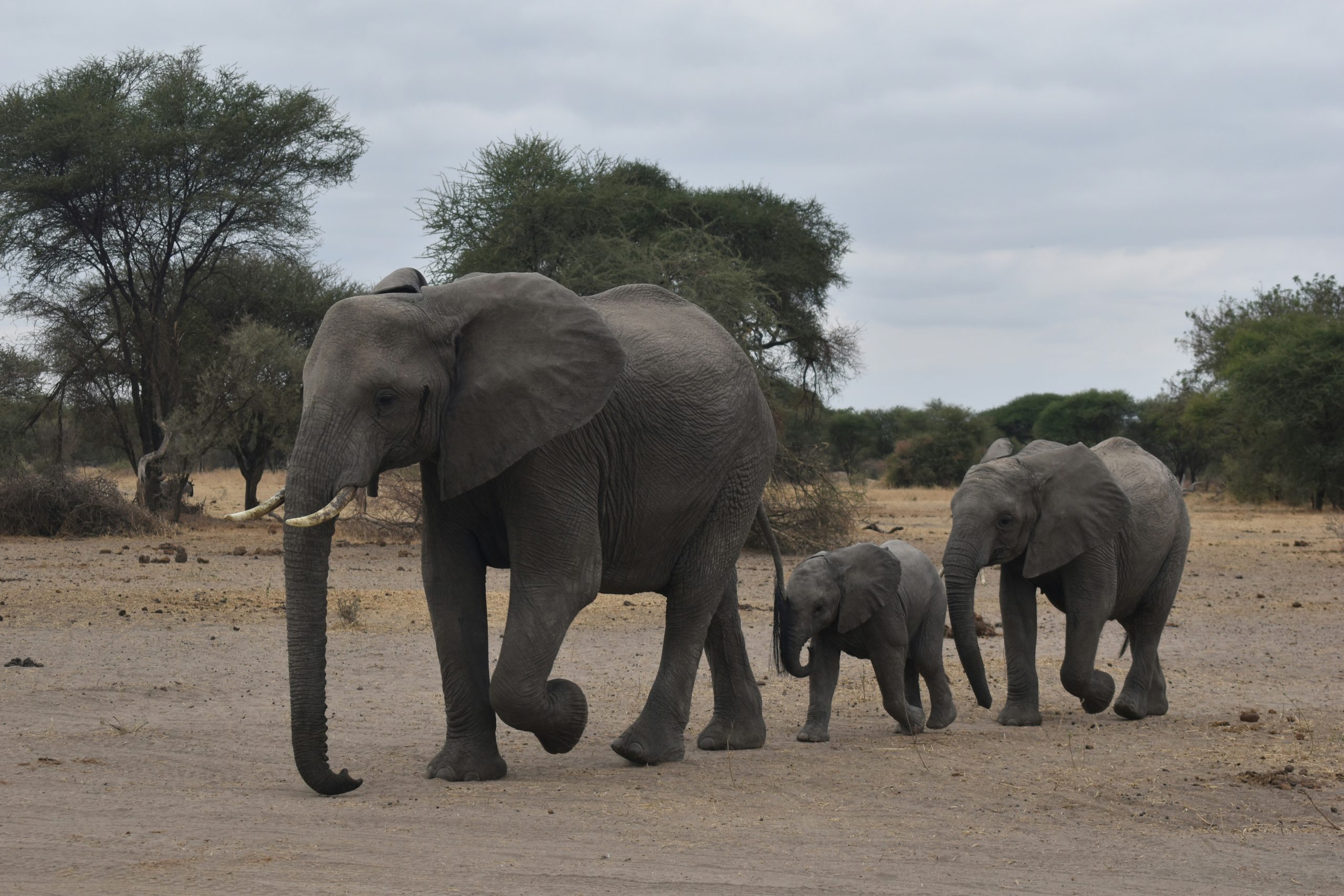
Elephants. Tarangire is famous for having one of the highest concentrations of elephants in northern Tanzania. In the dry season, herds of dozens or even hundreds of elephants gather along the river, digging for water in the sandy riverbed and feeding on baobab bark.
A dry-season migration. Tarangire is part of a larger ecosystem that includes the Maasai Steppe and nearby conservation areas. In the dry season, from around June to October, zebras, wildebeest, buffalo, elands, hartebeests and other animals migrate into the park to drink from the river, creating spectacular concentrations of wildlife.
Predators. Lions are common and often seen resting under trees or near the river, and leopards, cheetahs, spotted hyenas and occasionally African wild dogs are also present.
Other species. Tarangire is home to giraffes, impalas, waterbucks, warthogs, dik-diks and dry-country species such as the fringe-eared oryx, lesser kudu and gerenuk, which are rarely seen elsewhere in northern Tanzania. Pythons are sometimes seen draped in the trees along the river.
Birds. More than 500 bird species have been recorded, including the yellow-collared lovebird and ashy starling, both endemic to Tanzania, as well as kori bustards, ostriches, ground hornbills and many raptors. Tarangire’s swamps attract large numbers of water birds in the wet season.
Things to Do in Tarangire
Game drives. Game drives along the Tarangire River and through the baobab-studded plains are the main activity. Full-day drives allow you to explore further south to the Silale Swamp.
Walking safaris. Guided walks with an armed ranger are offered in parts of the park and in the surrounding conservancies, giving a close look at tracks, plants and smaller creatures.
Night drives. Night game drives are available in some of the conservancies bordering the park, offering a chance to see nocturnal animals.
Hot-air balloon safaris. In season, balloon flights float over the baobabs and elephants at sunrise.
Cultural visits. Maasai and other communities live around the park, and village visits can be arranged; see our guide to Maasai culture and village visits.
Best Time to Visit Tarangire
The best time to visit Tarangire is during the dry season, from June to October, when wildlife concentrates along the Tarangire River and elephant herds are at their largest. The wet season, from November to May, is excellent for birding and the landscape is green, but many animals disperse out of the park, and some tracks can become muddy. January and February offer a short, drier spell with good game viewing. See our guide to the best time to visit East Africa.
How to Get There
Tarangire is around two hours by road from Arusha on a good tarmac highway, making it easy to reach on the first day of a safari. Light aircraft also fly to the park’s airstrips from Arusha and other safari destinations. Most visitors need a visa for Tanzania; see our guide to the Uganda and Tanzania eVisa application.
Where to Stay
Tarangire has accommodation for all budgets, from public campsites to classic lodges overlooking the river and luxury tented camps. Camps in the conservancies bordering the park offer walking safaris and night drives. Staying inside the park allows early-morning game drives along the river.
How Much Does It Cost?
Costs include TANAPA park fees, accommodation, vehicle and guide. Tarangire is often included in multi-day northern circuit safaris, which can offer better value. See our guides to Serengeti safari costs, East Africa safari costs and how to choose a Tanzania safari package.
Combining Tarangire With the Northern Circuit
- Lake Manyara: just an hour away; see our Lake Manyara guide.
- Ngorongoro Crater: one of Africa’s greatest wildlife spectacles; see our Ngorongoro Crater safari guide.
- The Serengeti: time your visit with our Serengeti migration calendar.
- Arusha and Kilimanjaro: start or end your trip with Arusha National Park or a Kilimanjaro climb.
- Zanzibar: finish with the beach; see our guide to Zanzibar and safari and our 12-day Tanzania safari and Zanzibar holiday.
Tips for Visiting
- Tsetse flies can be present in wooded areas; wear light-coloured clothing and use repellent.
- Bring binoculars for birding and a zoom lens for elephants and lions.
- Pack a warm layer for early-morning drives.
- Read our first-time safari tips and safari packing list.
Frequently Asked Questions
Is Tarangire worth visiting? Yes. Its elephants, baobabs and dry-season wildlife concentrations make it one of the highlights of northern Tanzania.
How many days do I need in Tarangire? One full day or one night is enough for the highlights; two nights allows for walking safaris and a more relaxed pace.
Can you see the Big Five in Tarangire? Lions, leopards, elephants and buffalo are present, but rhinos are not, so combine Tarangire with the Ngorongoro Crater for the full Big Five.
Is Tarangire good for families? Yes. It is close to Arusha and full of visible wildlife; see our guide to family safaris.
Plan Your Tarangire Safari
With its elephants, baobabs and dramatic dry-season gatherings, Tarangire National Park deserves a place on every northern Tanzania itinerary. Kuku Safaris can arrange your accommodation, guide and vehicle, and combine Tarangire with Lake Manyara, Ngorongoro, the Serengeti and Zanzibar. Get in touch to start planning.