
Mount Elgon National Park Guide: Hiking, Caves, Waterfalls and Culture in Eastern Uganda
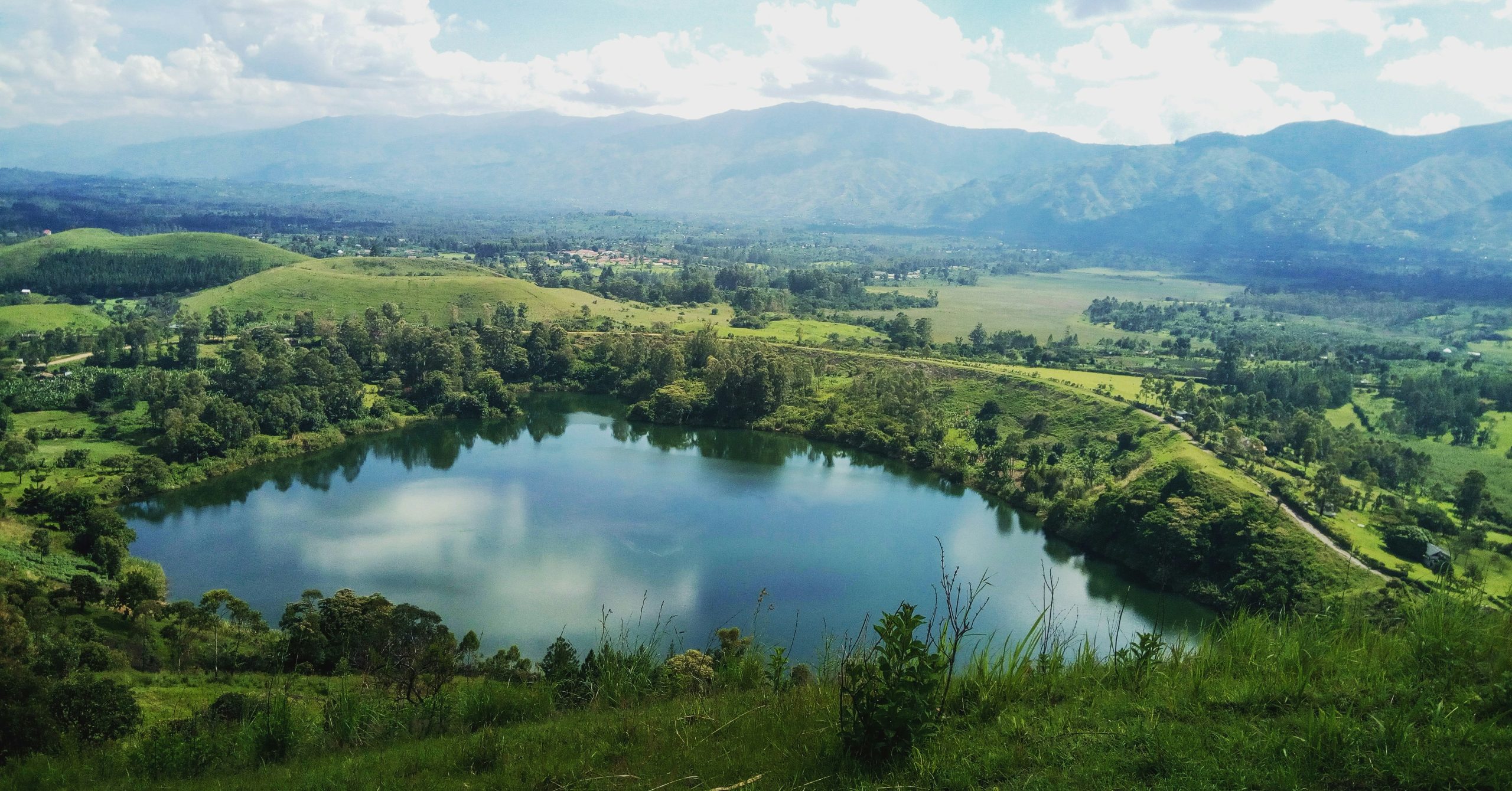
Rising from the plains on the border between Uganda and Kenya, Mount Elgon is a gentle giant. This ancient, extinct volcano does not have the dramatic snowcapped summit of Kilimanjaro or the glaciers of the Rwenzoris, but it has something special of its own: a vast caldera, cliffs and caves, waterfalls tumbling from its slopes, fertile coffee farms and quiet trails where you may walk for days without seeing another hiker. For trekkers looking for an uncrowded mountain adventure, and for anyone exploring eastern Uganda, Mount Elgon is a rewarding destination.
This complete guide covers Mount Elgon’s geology and wildlife, the main hiking routes, other activities, culture, the best time to visit and how to plan your trip.
Mount Elgon at a Glance
- Location: Eastern Uganda on the Kenyan border, near the towns of Mbale and Kapchorwa.
- Highest peak: Wagagai, about 4,321 metres, on the Ugandan side of the caldera rim.
- Geology: An extinct shield volcano with one of the largest volcanic bases in the world and one of the largest intact calderas on Earth.
- Protected areas: Mount Elgon National Park in Uganda, managed by the Uganda Wildlife Authority, adjoins Mount Elgon National Park in Kenya. The wider area is a UNESCO biosphere reserve.
- Known for: Uncrowded hiking, the caldera, caves, Sipi Falls, Bugisu coffee and Bamasaba (Bagisu) culture.
An Ancient Volcano
Mount Elgon is thought to have first erupted more than 20 million years ago, making it one of the oldest volcanoes in East Africa. Over millions of years, erosion has worn it down from what may once have been a much higher peak, leaving a broad, gently sloping mountain. At its summit lies a huge caldera, a collapsed volcanic crater around eight kilometres across, ringed by jagged peaks. Inside the caldera are hot springs, moorland and the headwaters of rivers that flow towards Lake Victoria and Lake Turkana.
The mountain’s slopes are an important water catchment for millions of people in Uganda and Kenya, and its forests are vital for the region’s climate and biodiversity.
Vegetation and Wildlife
As you climb Mount Elgon, you pass through distinct vegetation zones: farmland on the lower slopes, montane forest with tall trees and bamboo, heath and moorland, and finally an Afro-alpine zone with giant groundsels and lobelias similar to those found on Mount Kenya and the Rwenzoris.
Wildlife is present but often shy. Black-and-white colobus monkeys and blue monkeys are commonly seen in the forest, and lucky hikers may spot duikers, bushbucks or signs of forest elephants and buffalo. Mount Elgon is also a good birding destination, with species such as the Jackson’s francolin, Tacazze sunbird, Hartlaub’s turaco and the rare lammergeier (bearded vulture) soaring over the cliffs.
Hiking Routes on Mount Elgon
Mount Elgon offers several trails on the Ugandan side, from day walks to multi-day treks to Wagagai Peak. All overnight hikes require a park ranger guide, and porters can be hired.
Sasa Trail. Starting near Budadiri, the Sasa Trail is the most direct route to the summit, usually taking around four days. It is steep, including a demanding climb up the “Wall of Death” section early on, but it is the quickest way to the caldera.
Sipi Trail. Starting near Kapkwata, close to the Sipi Falls area, this route is longer but more gradual, passing through beautiful forest and moorland. It typically takes four to six days.
Piswa Trail. Approaching from the north, the Piswa Trail is the longest and gentlest route, often taking six days or more. It passes through some of the mountain’s best wildlife areas and is popular for traversing the mountain, ascending on one route and descending on another.
Day hikes. For those not planning to summit, shorter forest walks and hikes on the lower slopes, including around Wanale Ridge near Mbale and the Sipi area, offer superb views and waterfalls without the need for camping.
A popular approach is to ascend on the Sasa Trail and descend via the Sipi Trail, enjoying the caldera, the hot springs and the varied scenery of both sides. Many hikers find Elgon a great introduction to high-altitude trekking before attempting Mount Kilimanjaro, Mount Kenya or the Rwenzori Mountains.
Caves of Mount Elgon
Mount Elgon’s volcanic rock is riddled with caves, some of which were used by local people as shelters and for ceremonies, and some of which contain ancient rock paintings. On the Kenyan side, the famous Kitum Cave is known for elephants that venture inside at night to lick salt from the walls. On the Ugandan side, caves near the trails and around the Sipi area can be visited with a guide.
Sipi Falls and the Lower Slopes
No visit to Mount Elgon is complete without seeing Sipi Falls, a series of three waterfalls on the mountain’s northern slopes. The highest drop is around 100 metres, and walking between the falls through coffee farms and villages is one of eastern Uganda’s best day hikes. Abseiling beside the main falls, rock climbing and coffee tours are also popular. Read our full Sipi Falls guide and see our 3-day Sipi Falls hiking and coffee tour.
Bugisu Coffee
The fertile volcanic soils and high altitude of Mount Elgon’s slopes are ideal for growing Arabica coffee. Coffee from the Bugisu region is known for its bright, fruity flavours and is exported around the world. Many smallholder farmers grow coffee alongside bananas and other crops. A coffee tour lets you see the whole process, from picking ripe cherries to pulping, drying, roasting and finally tasting a fresh cup. For more coffee experiences, see our East Africa coffee, tea and culinary heritage trail.
Culture: The Bamasaba and Sabiny
The slopes of Mount Elgon are home to the Bamasaba (also known as the Bagisu) and the Sabiny peoples. The Bamasaba are known for Imbalu, a traditional male circumcision ceremony marking the passage from boyhood to manhood. It is held in even-numbered years, usually around August, and is accompanied by days of dancing, singing and celebration that draw large crowds. Visitors interested in culture can arrange community walks and homestays to learn more about local life; see our guide to cultural tourism in Uganda.
Best Time to Visit Mount Elgon
The best time to hike Mount Elgon is during the drier months, from June to August and December to March, when trails are less muddy and views are clearer. The rainy seasons, roughly April to May and October to November, bring heavy rain, slippery trails and mist, though the waterfalls are at their most powerful. Rain can fall at any time of year on the mountain, so waterproof gear is always essential. See our guide to the best time to visit Uganda.
How to Get There
Mbale, the main town at the foot of Mount Elgon, is roughly a five- to six-hour drive from Kampala, passing through Jinja, where you can stop at the Source of the Nile. From Mbale, roads lead to the trailheads at Budadiri and to Sipi and Kapchorwa. Charter flights can also be arranged to nearby airstrips.
Where to Stay
Mbale has a range of hotels for all budgets. Around Sipi Falls, lodges and guesthouses perch on the escarpment with views of the waterfalls and the plains below. Simple guesthouses are available near the trailheads at Budadiri. On the mountain, hikers camp at designated sites, with tents and equipment provided by your operator or the park.
How Much Does It Cost?
Mount Elgon is one of Uganda’s more affordable mountain adventures. Your costs will include Uganda Wildlife Authority park fees for each day on the mountain, ranger guides, porters, camping fees, food, equipment and transport. Day hikes and visits to Sipi Falls are less expensive. For broader budgeting help, see our guide to Uganda safari costs.
What to Pack
- Waterproof hiking boots, gaiters and a waterproof jacket and trousers.
- Warm layers, hat and gloves for cold nights at altitude.
- A warm sleeping bag if you are camping on the mountain.
- Trekking poles, headlamp, water bottles and purification tablets.
- Sunscreen, sunglasses and insect repellent.
Combining Mount Elgon With Other Destinations
- Eastern Uganda circuit: combine Elgon with Jinja and Sipi; see our guide to discovering eastern Uganda.
- Karamoja and Kidepo: continue north through Karamoja to Kidepo Valley National Park.
- Kenya: cross the border to explore western Kenya and continue to the Maasai Mara or the Rift Valley lakes.
- Adventure trip: for more adrenaline, see our guide to adventure tourism in Uganda.
Frequently Asked Questions
How hard is it to climb Mount Elgon? Elgon is a non-technical climb but requires good fitness, as trails can be steep, muddy and at high altitude. The Sasa Trail is the most demanding; the Piswa Trail is the gentlest.
How many days do I need to reach Wagagai Peak? Usually four to six days, depending on the route.
Can I visit Mount Elgon without hiking to the summit? Yes. Day hikes, Sipi Falls, coffee tours and cultural visits make for a rewarding stay.
Is Mount Elgon safe? Hiking is done with Uganda Wildlife Authority ranger guides. As anywhere, check current travel advice before visiting; see our guide to whether Uganda is safe for tourists.
Plan Your Mount Elgon Adventure
Mount Elgon offers peaceful trails, a vast volcanic caldera, waterfalls, caves and some of the best coffee in Africa. Kuku Safaris can arrange your trek, guides, porters, transport and accommodation, and combine Elgon with Sipi Falls, Jinja and the rest of Uganda. For official destination information, visit the Uganda Tourism Board, then get in touch to start planning.