
Solo Travel in Uganda: The Complete Solo Safari Guide
Travelling alone in Uganda can be one of the most rewarding experiences of your life. With nobody else’s plans to accommodate, you are free to follow your own interests, whether that means spending extra time with the chimpanzees, adding a second gorilla trek or simply sitting quietly on a lodge veranda watching the sun set over a crater lake. Uganda’s warm, welcoming people make solo travellers feel at home, and its compact western circuit is ideal for a solo safari.
Of course, travelling alone also raises practical questions. Is it safe? Will it cost more? How do you meet other people? This guide answers those questions and more, covering safari options, costs, safety, gorilla trekking, sample itineraries and tips for women travelling alone.
Why Uganda Is Great for Solo Travellers
- Friendly people: Ugandans are famously welcoming, and solo travellers often find it easy to strike up conversations.
- English widely spoken: communication is easy across the country.
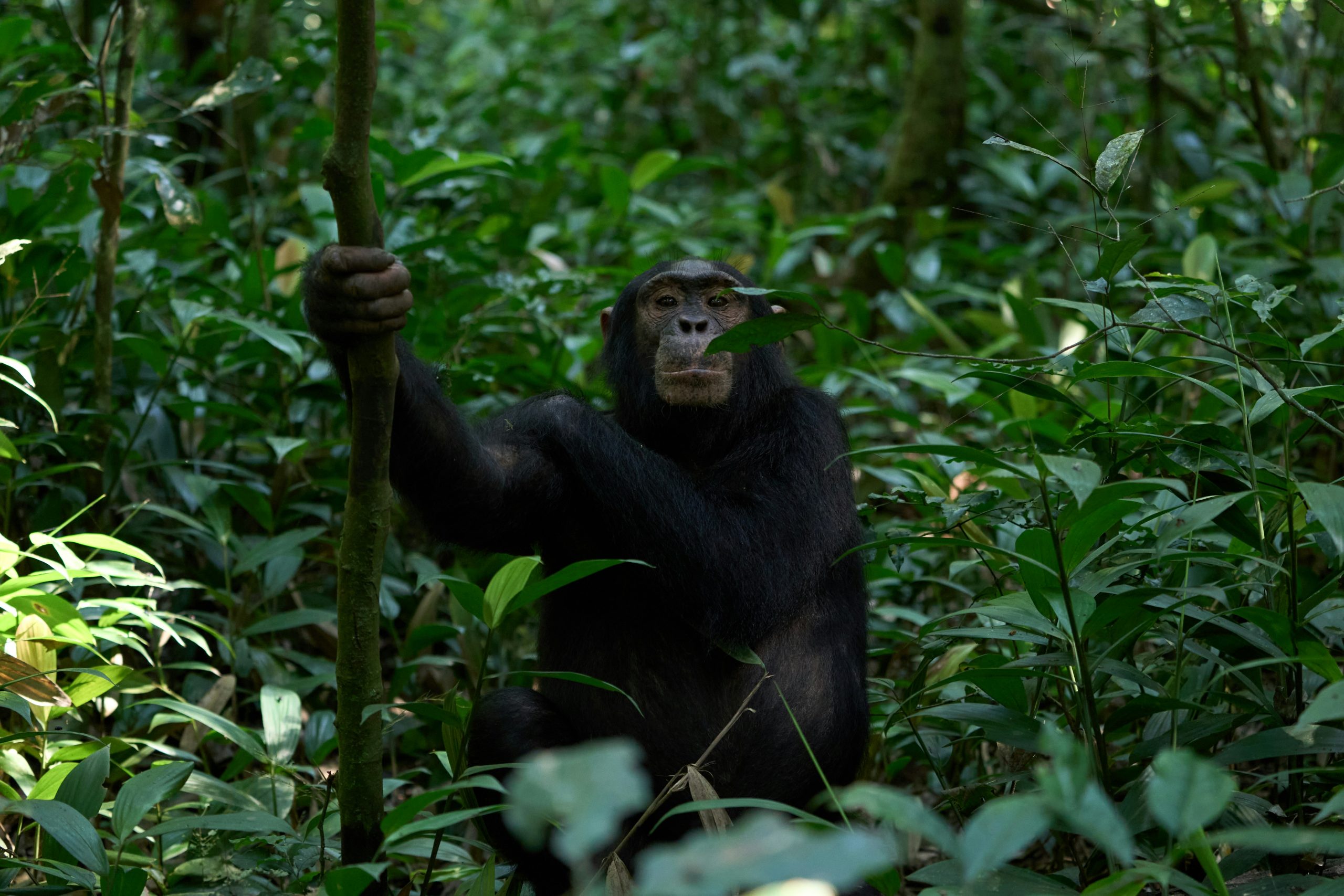
- Intimate experiences: gorilla trekking and chimpanzee tracking happen in small groups, so you naturally meet fellow travellers.
- Personal guiding: a private guide becomes a companion and window into Ugandan life.
- Flexible pace: design your trip entirely around your own interests.
Solo Safari Options
Private guided safari. You travel with your own driver-guide and vehicle, following an itinerary built around you. This is the most flexible and comfortable option and the most popular choice for solo travellers in Uganda. Your guide handles logistics, shares knowledge and becomes a trusted companion. It is more expensive per person than sharing, as you cover the full vehicle and guide costs yourself.
Small group safari. Join a scheduled group departure with other travellers, sharing a vehicle and guide. This reduces costs and offers built-in company, but you follow a fixed itinerary and dates.
Shared private safari. Some operators match solo travellers with similar dates and interests so they can share a private safari and split the costs. Ask your safari company whether this is possible.
Independent travel. Experienced travellers can explore by public transport or self-drive, booking permits and accommodation themselves. This requires more planning and is slower, but can be very rewarding. Read our self-drive safari guide.
Understanding Single Supplements
Most safari lodges price their rooms per person sharing, so solo travellers usually pay a single supplement for having a room to themselves. This can add a significant amount to the cost of a safari, especially at luxury lodges. Some ways to reduce single supplements include:
- Travelling in the green season, when some lodges waive or reduce supplements.
- Choosing mid-range lodges, where supplements are often lower.
- Joining a small group safari with a room-share option.
- Asking your safari company about lodges with solo-friendly policies.
How Much Does a Solo Safari Cost?
Solo travellers pay the same permit prices as everyone else, including USD 800 for a standard gorilla permit for foreign non-residents. The main extra costs are the full cost of a private vehicle and guide, and single supplements at lodges. As a result, a private solo safari costs more per person than the same trip for a couple. Group departures or budget accommodation can make solo travel much more affordable. Read our guides to Uganda safari costs and affordable Uganda safaris.
Gorilla Trekking as a Solo Traveller
Gorilla trekking is perfect for solo travellers. Visitors are grouped into parties of up to eight people for each gorilla family, so you will trek with other travellers and share the experience. Many lasting friendships begin on a gorilla trek. Your private guide will take you to the briefing and wait for you to return, and porters are available to carry your bag and help you on the trail. Read our first-timer’s gorilla trekking guide and our article on how hard gorilla trekking is.
Safety for Solo Travellers
Uganda is generally a welcoming destination for solo travellers, and most trips are trouble-free. Sensible precautions help:
- Travel with a reputable safari company and licensed guide.
- Avoid walking alone at night in cities; use a trusted taxi or ride-hailing app.
- Keep valuables out of sight and use hotel safes.
- Share your itinerary with family or friends at home.
- Carry a local SIM card for communication.
- Check your government’s latest travel advice before booking.
Read our article on whether Uganda is safe for tourists and our 20 things to know before visiting Uganda.
Tips for Women Travelling Alone
Many women travel solo in Uganda and have wonderful experiences. Dressing modestly in towns and villages helps you blend in and shows respect for local customs. Unwanted attention is usually limited to friendly curiosity, but a firm, polite response is effective if needed. Choosing a reputable safari company, staying at well-reviewed lodges and arranging transport through trusted providers add peace of mind. Some operators can arrange female guides on request. Read our safari advisory for women travellers.
Meeting Other Travellers
Solo travellers in Uganda rarely feel lonely. Gorilla and chimpanzee groups, boat cruises and community walks bring you together with others. Many lodges have communal dining or a shared lounge where guests swap stories around the fire. Jinja, with its rafting and adventure scene, and Lake Bunyonyi are popular with independent travellers and have a sociable atmosphere. Your guide will also introduce you to local life, from markets to village visits.
Sample 7-Day Solo Safari
- Day 1: Arrive in Entebbe and relax by Lake Victoria.
- Day 2: Drive to Fort Portal and a crater-lake lodge.
- Day 3: Chimpanzee tracking in Kibale and the Bigodi Wetland walk.
- Day 4: Queen Elizabeth National Park and a Kazinga Channel boat cruise.
- Day 5: Ishasha’s tree-climbing lions, then on to Bwindi.
- Day 6: Gorilla trekking.
- Day 7: Fly back to Entebbe.
See our 7-day Uganda itinerary and our 3-day gorilla trekking safari for shorter trips.
Best Experiences for Solo Travellers
- Gorilla trekking in Bwindi or Mgahinga.
- Chimpanzee tracking in Kibale.
- White-water rafting in Jinja; see our rafting guide.
- Hiking in the Rwenzori Mountains or at Sipi Falls.
- Canoeing on Lake Bunyonyi.
- Birdwatching with a specialist guide; see our birding guide.
- Community and cultural visits; see our guide to cultural tourism in Uganda.
Best Time for a Solo Safari
The dry seasons, June to September and December to February, are best for trekking and game viewing, and you are more likely to find group departures and fellow travellers. The green seasons offer lower prices and occasional single supplement reductions. See our guide to the best time to visit Uganda.
Packing Tips for Solo Travellers
- A small padlock for your luggage.
- Copies of your passport, visa and insurance documents, stored separately and digitally.
- A power bank and offline maps.
- A basic first aid kit and any personal medication.
- A good book or journal for quiet evenings.
See our African safari packing list.
The Value of a Private Guide When Travelling Alone
For solo travellers, a private guide is much more than a driver. Your guide becomes your companion, translator, problem-solver and window into Ugandan life. Over the course of a safari, many solo travellers form a genuine friendship with their guide, sharing meals, conversations and laughter along the way. A good guide spots wildlife you would never notice, explains the behaviour of animals and the culture of the communities you pass, handles every logistical detail and keeps you safe. They can also introduce you to local experiences, from roadside markets to a cup of tea with a farming family, that would be difficult to arrange alone.
When booking, ask about your guide’s experience, languages and areas of expertise. Some guides specialise in birding, primates or photography, and matching your interests with the right guide can transform your trip.
Staying Connected and Managing Money
Staying in touch with home is reassuring when travelling alone. Buy a local SIM card from MTN or Airtel on arrival; you will need your passport to register it. Data bundles are affordable, and coverage is good in towns and along main roads, though weaker in remote parks. Most lodges offer Wi-Fi in common areas. For money, carry a mix of a debit or credit card, US dollars printed after 2009 and Ugandan shillings. Withdraw cash in towns before heading to the parks, as ATMs are scarce in rural areas. Keep emergency cash separate from your main wallet.
Solo Dining and Lodge Life
Many solo travellers worry about eating alone, but safari lodges are among the friendliest places to dine solo. Many have communal tables or a shared dinner, where guests swap stories of the day’s sightings. Lodge managers often make a point of welcoming solo guests and may invite you to join them or other travellers. If you prefer your own company, a quiet table with a view, a good book and the sounds of the bush is a pleasure in itself. Your guide may also join you for meals, depending on the lodge’s arrangements.
Volunteering and Longer Stays
Some solo travellers combine a safari with a longer stay in Uganda, perhaps volunteering with a reputable conservation or community organisation, learning a language or simply slowing down at a lakeside retreat such as Lake Bunyonyi or the Ssese Islands. If you are considering volunteering, research organisations carefully and choose projects led by local people with transparent goals. A slower pace gives you time to connect more deeply with the country and its people. See our guides to Lake Bunyonyi and the Ssese Islands.
Health Tips for Solo Travellers
Without a travel companion to notice if you are unwell, it is especially important to look after your health. Take antimalarials as prescribed, use insect repellent, drink bottled or filtered water and carry a basic first aid kit. Make sure your travel insurance includes medical evacuation, and keep your insurer’s emergency number saved on your phone and written down. Let your guide or lodge know if you feel unwell so they can help you get medical care quickly. Read our guide to vaccinations and malaria.
Making the Most of Your Solo Journey
Travelling alone gives you the rare luxury of complete freedom, so use it. Linger at sightings that move you, spend an extra night somewhere you love, or add an activity that a travel companion might not have enjoyed, such as a dawn birding walk or a full day with chimpanzees. Keep a journal to capture your thoughts and the stories you hear along the way. Be open to conversations with guides, lodge staff and fellow travellers; some of the most memorable moments of a solo trip come from unexpected encounters. And take time simply to sit and absorb the sounds of the forest or the savannah. Many solo travellers return home saying that Uganda gave them not only incredible wildlife encounters, but also a renewed sense of confidence and connection.
Before you go, share your itinerary with someone at home, save your safari company’s emergency contacts and keep digital copies of important documents. With good planning and a trusted local partner, a solo safari in Uganda can be the adventure of a lifetime.
Good to know: if you would like company for part of your trip, ask your safari company whether other travellers have booked similar dates. Sharing a vehicle for a few days, or joining others for a gorilla trek or boat cruise, can reduce costs and add a social element, while still leaving you free to travel independently for the rest of your safari.
Frequently Asked Questions
Is Uganda safe for solo travellers? Yes, with sensible precautions and a reputable safari company, most solo travellers have trouble-free trips.
Will I be alone on gorilla treks? No. Treks are done in groups of up to eight visitors.
Do I have to pay a single supplement? Usually yes at lodges, but there are ways to reduce it.
Can I join a group safari? Yes. Ask about scheduled group departures or matching with other solo travellers.
Is Uganda good for a first solo trip to Africa? Yes, especially with a private guide who handles logistics and introduces you to the country.
Plan Your Solo Safari
Kuku Safaris designs tailor-made solo safaris with trusted guides and solo-friendly lodges, and can advise on group departures and ways to reduce costs. Read our guide on how to choose a Uganda safari company, visit the Uganda Tourism Board and see how to book with Kuku Safaris.