
Lake Bunyonyi: Uganda’s Most Relaxing Stop After Gorilla Trekking
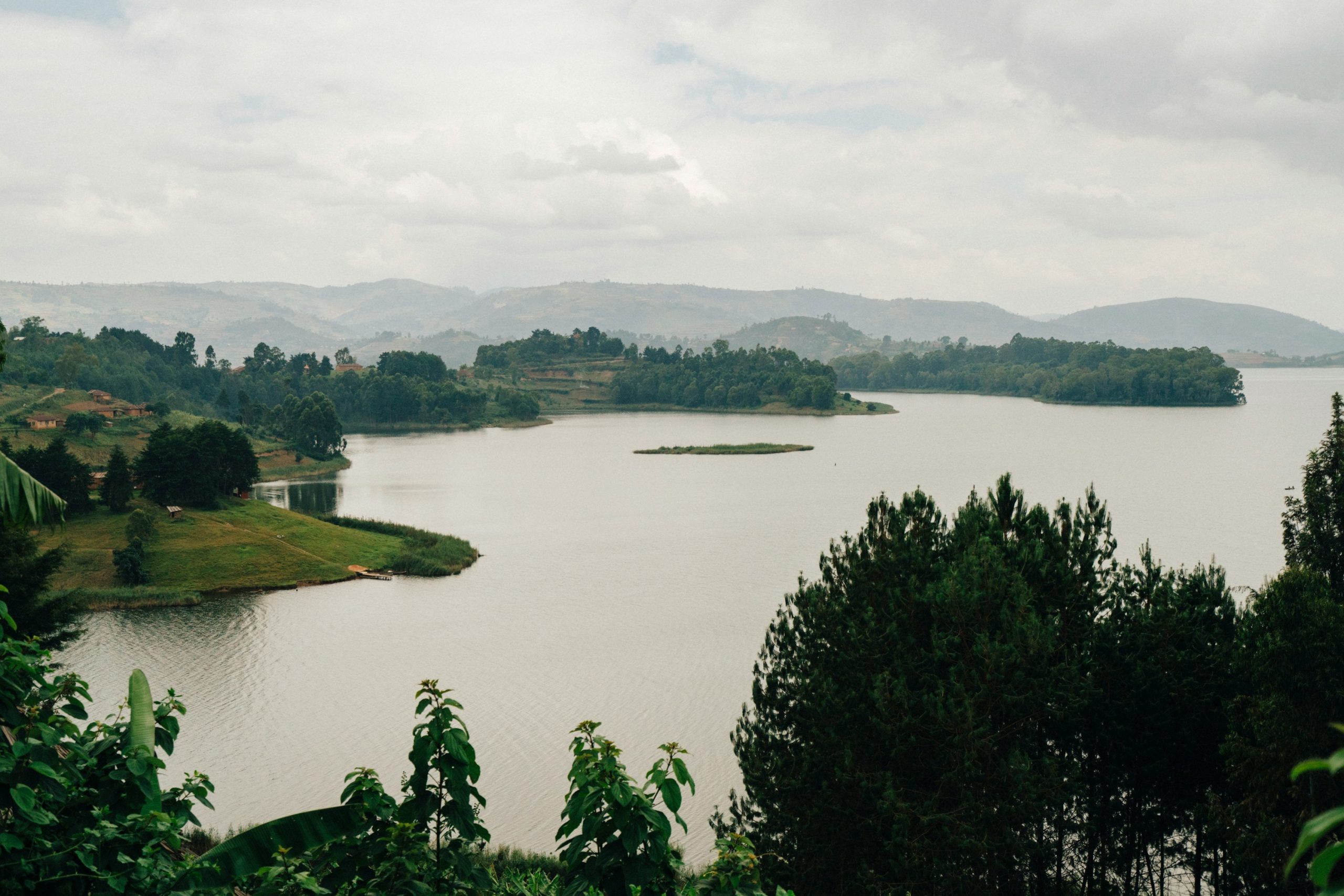
After the excitement of tracking gorillas through Bwindi’s steep forests, few places are more restful than Lake Bunyonyi. Nestled among terraced hills in south-western Uganda, this long, winding lake is dotted with 29 islands, each with its own story, and its calm waters are perfect for paddling in a dugout canoe or simply watching the mist lift at dawn. Bunyonyi means “place of many little birds”, and its shores are alive with birdsong. It is one of Uganda’s most beautiful and peaceful places, and an ideal stop before or after gorilla trekking.
This complete guide covers the lake’s islands and history, things to do, where to stay, the best time to visit and how to fit Lake Bunyonyi into your Uganda itinerary.
Lake Bunyonyi at a Glance
- Location: Kabale District, south-western Uganda, just a few kilometres from Kabale town and close to the Rwandan border.
- Altitude: Around 1,950 metres, giving a cool, pleasant climate.
- Islands: 29, including Punishment Island, Bwama Island and Itambira Island.
- Known for: Scenery, island stories, dugout canoes, birdlife, swimming and relaxation after gorilla trekking.
How the Lake Formed
Lake Bunyonyi is thought to have formed thousands of years ago, when lava from volcanic activity in the nearby Virunga region blocked the Ruhuhuma River, flooding its valley. The result is a long, irregular lake with many arms and islands surrounded by steep hills. The hillsides have been terraced by generations of farmers, creating a patchwork of fields that gives the region its distinctive beauty. Local people often claim that Bunyonyi is one of the deepest lakes in Africa, though figures vary widely.
The Islands and Their Stories
Punishment Island (Akampene). The most famous of Bunyonyi’s islands is a tiny islet with a single tree. In the past, according to local tradition, unmarried girls who became pregnant were abandoned here as punishment. Many died, while some were rescued by men who could not afford a bride price. The practice ended in the mid-twentieth century. Guides tell the story on canoe trips, and it remains a sobering reminder of how much attitudes have changed.
Bwama Island. In the 1920s, a British missionary doctor, Leonard Sharp, established a leprosy treatment centre on Bwama Island. Patients were cared for on Bwama and nearby Njuyeera (Sharp’s) Island. Today, Bwama is home to a school, and visitors can learn about its history.
Itambira Island and others. Several islands host lodges, campsites and small communities, and some have walking trails offering panoramic views over the lake.
Things to Do at Lake Bunyonyi
Dugout canoe trips. Paddling a traditional dugout canoe is the classic Bunyonyi experience. You can go with a local guide to visit the islands and hear their stories, or paddle yourself in sheltered bays. Motorboat tours are also available for longer trips.
Swimming. Lake Bunyonyi has long been considered free of bilharzia, and many visitors swim from lodge jetties. The water is cool and refreshing. As always, check local advice before swimming.
Hiking and village walks. Trails wind through the terraced hills and villages around the lake, with stunning views at every turn. Guided walks visit schools, markets, farms and local craftspeople.
Birdwatching. More than 200 bird species have been recorded around the lake, including grey crowned cranes, African fish eagles, kingfishers, weavers, herons and many sunbirds. Early mornings are best. See our guide to birdwatching in Uganda.
Cycling and mountain biking. Bikes can be hired to explore the hills and villages around the lake.
Cultural experiences. Meet the Bakiga people who live around the lake, learn about traditional farming and crafts, and enjoy local music and dance. Some community projects support women’s groups and schools. For more, see our guide to cultural tourism in Uganda.
Relaxation. Perhaps the best thing to do at Bunyonyi is nothing at all: read on a deck, watch the canoes glide by and enjoy the peaceful scenery.
Food at Lake Bunyonyi
The lake is known for its crayfish, introduced decades ago and now served in many lodges and restaurants, often in curries or grilled. Fresh tilapia, local vegetables and Ugandan dishes such as matoke and groundnut sauce are also widely available.
Best Time to Visit
Lake Bunyonyi is beautiful all year. The drier months, from June to August and December to February, offer sunny days and the easiest conditions for hiking and gorilla trekking. The wet seasons, from March to May and September to November, bring lush green landscapes and fewer visitors, with rain usually falling in short showers. Mornings and evenings can be cool at this altitude. See our guide to the best time to visit Uganda.
How to Get There
Lake Bunyonyi is around seven to eight hours’ drive from Kampala via Masaka and Mbarara, often broken up with a night at Lake Mburo National Park. From Kigali in Rwanda, it is around three hours via the Katuna border crossing. Domestic flights to Kisoro or Kihihi airstrips are another option, followed by a road transfer. From Kabale town, the lake is a short drive, and many lodges are reached by boat.
Where to Stay
Accommodation around the lake ranges from backpacker campsites and simple guesthouses to comfortable mid-range lodges and upmarket island retreats. Staying on an island offers privacy and seclusion, while shoreline lodges are easier to reach. Many lodges have decks with sweeping views and offer canoes, swimming and guided walks.
Lake Bunyonyi and Gorilla Trekking
Lake Bunyonyi is about one to two hours’ drive from Bwindi’s southern sectors of Rushaga and Nkuringo, making it a popular base before or after gorilla trekking. Many travellers spend one or two nights at the lake to relax after their trek. See our Bwindi gorilla trekking guide, our guide for first-timers and our article on how hard gorilla trekking is. For permit prices, see how much a gorilla permit costs in Uganda.
Lake Bunyonyi vs Lake Mutanda
Both lakes are beautiful bases near Bwindi. Bunyonyi has more islands, more accommodation and a livelier atmosphere, while Lake Mutanda is quieter and offers dramatic views of the Virunga volcanoes. Many travellers visit both on a longer trip.
Sample Itinerary
- Day 1: Drive from Kampala to Lake Mburo for a boat trip and game drive.
- Day 2: Continue to Lake Bunyonyi and relax with a sunset canoe trip.
- Day 3: Gorilla trekking in Bwindi’s Rushaga sector.
- Day 4: Island tour and village walk at Bunyonyi.
- Day 5: Return to Kampala or cross into Rwanda.
How Much Does It Cost?
Lake Bunyonyi suits all budgets, with affordable canoe trips and accommodation from budget to luxury. Your biggest costs are likely to be gorilla permits and transport. See our guides to Uganda safari costs and budget-friendly places to visit in Uganda.
Frequently Asked Questions
Can you swim in Lake Bunyonyi? Yes, many visitors swim in the lake, which has long been considered bilharzia-free. Check local advice first.
How many islands does Lake Bunyonyi have? There are 29 islands.
How long should I stay? Two nights is ideal for relaxing and exploring; one night works as a stopover.
Is Lake Bunyonyi good for families and honeymooners? Yes. Calm water, canoeing and peaceful lodges suit families, while island retreats are perfect for couples; see our guides to family safaris and honeymoon safaris.
Plan Your Visit
Lake Bunyonyi is the perfect place to slow down, reflect on your gorilla encounter and enjoy some of Uganda’s most beautiful scenery. Kuku Safaris can arrange lakeside accommodation, gorilla permits, canoe trips and transfers, and combine Bunyonyi with Bwindi, Lake Mburo and Rwanda. For official destination information, visit the Uganda Tourism Board, then get in touch to start planning.