
How to Get to Bwindi Impenetrable National Park: Road, Air and Cross-Border Routes
Bwindi Impenetrable National Park, home to around half of the world’s mountain gorillas, lies in the far south-west of Uganda, close to the borders with Rwanda and the Democratic Republic of Congo. Its remoteness is part of its magic, but it also means that getting there requires planning. Whether you drive from Kampala, fly from Entebbe or cross the border from Kigali, the right route depends on your gorilla permit sector, your time and your budget.
This guide explains all the ways to reach Bwindi, with travel times to each of its four trekking sectors, the pros and cons of driving and flying, cross-border routes from Rwanda and tips for a smooth journey.
First, Know Your Sector
Bwindi has four gorilla trekking sectors, each with its own trailheads and access roads, and driving between sectors can take several hours. Your gorilla permit is issued for a specific sector, so your route and accommodation should be planned around it:
- Buhoma (north): best reached via Kihihi or from Queen Elizabeth National Park.
- Ruhija (east): best reached via Kabale or from Queen Elizabeth.
- Rushaga (south): best reached via Kabale or Kisoro, and close to Rwanda.
- Nkuringo (south-west): best reached via Kisoro, and close to Rwanda.
Read our Bwindi gorilla trekking guide for more on each sector.
By Road from Kampala or Entebbe
Most travellers reach Bwindi by road with a private driver-guide. The journey from Kampala or Entebbe takes around eight to ten hours, depending on the sector, traffic and stops. The main route follows the Masaka road south-west, crossing the equator, then continues through Mbarara, the heart of Uganda’s cattle country, before branching off towards Bwindi.
- To Rushaga and Ruhija: via Mbarara and Kabale, then on mountain roads to the park. Around eight to nine hours.
- To Nkuringo: via Kabale and Kisoro. Around nine to ten hours.
- To Buhoma: via Mbarara and Rukungiri, or via Ntungamo and Kihihi. Around nine to ten hours.
The last section of each route is on murram (graded dirt) roads that wind through steep hills, tea plantations and villages. These roads can be slow, especially after rain, so a 4×4 vehicle is recommended.
Breaking the Journey
Many travellers prefer not to drive all the way in one day. Good places to break the journey include:
- Lake Mburo National Park: around four hours from Kampala, with zebras, elands, boat trips and horseback safaris; see our Lake Mburo guide.
- Lake Bunyonyi: near Kabale, a beautiful lake with islands and terraced hills, ideal before or after trekking in Rushaga or Ruhija; see our Lake Bunyonyi guide.
- Queen Elizabeth National Park: for Buhoma, travel via Queen Elizabeth and the Ishasha sector, with game drives along the way.
By Air: Flights to Kihihi and Kisoro
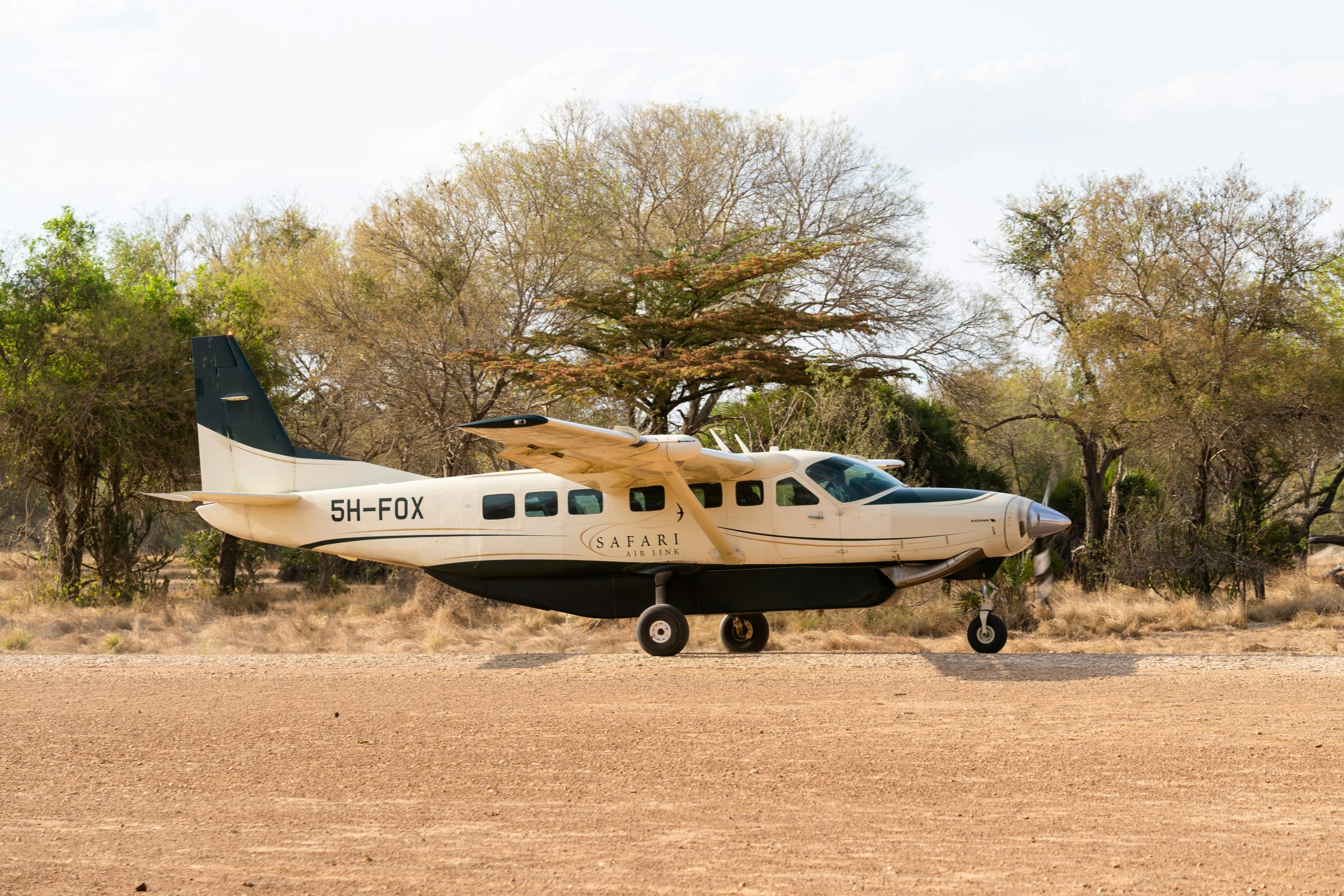
Domestic flights are the fastest way to reach Bwindi. Scheduled flights operate from Entebbe International Airport and Kajjansi airfield to two airstrips near the park:
- Kihihi airstrip: serves Buhoma and, to a lesser extent, Ruhija. The drive from Kihihi to Buhoma takes around one to one and a half hours.
- Kisoro airstrip: serves Rushaga, Nkuringo and Mgahinga. The drive from Kisoro to Rushaga or Nkuringo takes around one to two hours.
Flights take around one and a half to two hours and offer spectacular views of Lake Victoria, crater lakes and the south-western highlands. Your lodge or guide will meet you at the airstrip. Luggage limits are strict, typically around 15 kg per person in soft bags. Charter flights can also be arranged for complete flexibility. Read our guide to luxury fly-in safaris in Uganda.
Driving vs Flying: Which Is Better?
Driving is more affordable for couples and groups, lets you see the Ugandan countryside, villages and markets, and allows you to combine Bwindi with other parks along the way. Your driver-guide stays with you throughout. The downside is long travel days. Flying saves a full day each way, is more comfortable and maximises your time at the gorillas, but adds cost and limits luggage. A popular compromise is to drive in, visiting other parks along the way, and fly out at the end of your safari.
From Kigali, Rwanda
The southern sectors of Bwindi are closer to Kigali than to Kampala. From Kigali, travellers cross into Uganda at the Cyanika border (via Musanze) or the Katuna/Gatuna border (via Kabale). Travel times are around four to five hours to Rushaga or Nkuringo, and around six to eight hours to Buhoma. Many travellers fly into Kigali and trek in Uganda, where gorilla permits cost USD 800 compared with USD 1,500 in Rwanda. Read our full guide to gorilla trekking in Uganda from Kigali.
From Other Parks
- Queen Elizabeth (Ishasha) to Buhoma: around two to three hours.
- Queen Elizabeth (Mweya/Kasenyi) to Ruhija: around three to four hours.
- Lake Bunyonyi to Rushaga: around two hours.
- Mgahinga to Nkuringo or Rushaga: around one to two hours.
- Kibale to Buhoma: around five to six hours via Queen Elizabeth.
By Public Transport
Budget travellers can reach the area by public transport, though it takes longer. Buses run from Kampala to Kabale and Kisoro, taking around seven to nine hours. From these towns, you can hire a private taxi (known locally as a special hire) or a motorcycle taxi to the park, which can be expensive and uncomfortable on rough roads. Allow plenty of time, travel during daylight and arrive the day before your trek. For most visitors, a private vehicle with a driver-guide is far more practical and reliable.
Self-Driving to Bwindi
Experienced drivers can self-drive to Bwindi in a rented 4×4. The roads to the trailheads are steep, winding and sometimes muddy, so drive carefully, avoid travelling after dark and allow extra time. Use offline maps, fill your tank in Kabale, Kisoro or Kihihi, and confirm directions to your lodge in advance. Read our self-drive safari guide.
Arrive the Day Before Your Trek
Gorilla trekking briefings begin at around 8 AM at the park office, and you should arrive by about 7:30 AM. Because of the long journey, always arrive near your trekking sector the day before. Staying at a lodge close to the trailhead means a short, relaxed drive on the morning of your trek. If you miss the briefing, you may lose your permit, which is non-refundable. Read our guide to the best luxury lodges in Bwindi.
Road Conditions and Weather
Tarmac roads cover most of the journey, but the final sections to Bwindi are on murram roads. During the rainy seasons, roughly March to May and October to November, these can be slippery and slow, and occasional landslides may affect some routes. In the dry seasons, roads are dusty but easier. Your driver-guide will monitor conditions and adjust the route if needed. See our guide to the best time for gorilla trekking.
What You Will See Along the Way
The road to Bwindi is part of the adventure. Highlights include the equator crossing near Kayabwe, where you can stop for photos and a demonstration of the Coriolis effect; roadside stalls selling fresh fruit, roasted maize and drums; the long-horned Ankole cattle around Mbarara; the terraced hills of Kigezi, often called the Switzerland of Africa; tea plantations near the park; and sweeping views of the Virunga volcanoes on the approach to Kisoro.
Sample Itineraries
Three days by road: Day 1, drive from Kampala to Bwindi; Day 2, gorilla trekking; Day 3, return to Kampala. See our 3-day gorilla trekking safari.
Four days by air: Day 1, arrive in Entebbe; Day 2, fly to Bwindi; Day 3, gorilla trekking; Day 4, fly back. See our luxury gorilla trekking guide.
Seven days by road with parks along the way: Kibale chimpanzees, Queen Elizabeth, Ishasha and Bwindi, with a flight back to Entebbe. See our 7-day Uganda itinerary.
Tips for a Comfortable Journey
- Start early: leave Kampala or Entebbe early in the morning to avoid traffic and arrive before dark.
- Stay hydrated: carry water and snacks; your guide will stop at reliable places for meals and restrooms.
- Bring motion-sickness tablets: the winding mountain roads near Bwindi can affect sensitive travellers.
- Keep warm layers handy: temperatures drop as you climb into the highlands.
- Charge devices: use the vehicle’s charging points and bring a power bank.
- Carry cash: withdraw shillings in Mbarara, Kabale or Kisoro, as ATMs near the park are rare.
- Enjoy the stops: the equator, roadside markets and viewpoints are part of the experience.
Getting to the Trailhead on Trek Day
On the morning of your trek, you will drive from your lodge to the park office for the ranger briefing. If you stay near the trailhead, this can take just a few minutes. Lodges further away may require a drive of 30 minutes to an hour or more, often on winding roads, so check the distance when booking. In some sectors, after the briefing, you may drive a short distance to the starting point of your trek, depending on where the gorilla family you are assigned to is located. Your guide will handle this and will wait for you at the end of the trek to drive you back to your lodge.
Combining Bwindi With Other Destinations
Because Bwindi is far from Kampala, it makes sense to combine it with nearby destinations to make the most of the journey. Queen Elizabeth National Park and its tree-climbing lions are just a few hours north. Lake Bunyonyi and Lake Mutanda offer relaxing lakeside stays. Mgahinga Gorilla National Park, with golden monkeys and volcano hikes, is close to the southern sectors. Rwanda’s Volcanoes National Park, Kigali and Lake Kivu are within easy reach across the border. Read our guides to golden monkey trekking, the tree-climbing lions of Ishasha and Lake Mutanda.
Travelling With Limited Mobility
For travellers with limited mobility, flying to Kihihi or Kisoro greatly reduces the strain of long road journeys. Choosing a lodge close to the trailhead minimises driving on trek day, and porters and, in some areas, sedan-chair services can assist trekkers who need extra help. Tell your safari company about any mobility concerns when planning. Read our guide to gorilla trekking for older travellers and those with limited mobility.
Planning Checklist
- Secure your gorilla permit and note your sector.
- Choose a lodge close to your sector’s trailhead.
- Decide whether to drive, fly or combine both.
- If arriving via Kigali, arrange visas for both countries or the East Africa Tourist Visa.
- Plan to arrive at least the day before your trek.
- Pack soft luggage if flying, within the weight limit.
- Consider overnight stops at Lake Mburo, Lake Bunyonyi or Queen Elizabeth.
With these steps in place, your journey to Bwindi becomes part of the adventure rather than a hurdle, and you arrive rested and ready for one of the greatest wildlife encounters on Earth.
Good to know: lodges and your safari company can usually arrange packed lunches for long travel days, and many travellers enjoy a picnic stop with views over the hills. If you are flying, remember that small aircraft may make an extra stop at another airstrip on the way, so allow a little extra time when planning connections.
Frequently Asked Questions
How far is Bwindi from Kampala? Around 450 to 550 kilometres depending on the sector, a drive of eight to ten hours.
How long is the flight to Bwindi? Around one and a half to two hours from Entebbe to Kihihi or Kisoro.
Which airport is closest to Bwindi? Kihihi for Buhoma and Kisoro for Rushaga and Nkuringo. The closest international airports are Kigali and Entebbe.
Can I visit Bwindi as a day trip? No. Because of the distances and early briefings, you need at least two nights.
Is the road to Bwindi safe? Yes, with an experienced driver. Avoid travelling after dark.
Let Us Handle the Logistics
Kuku Safaris matches your gorilla permits, lodges and transport perfectly, whether you prefer to drive, fly or cross from Rwanda. Check park information with the Uganda Wildlife Authority and the UNESCO World Heritage listing for Bwindi, and see how to book with Kuku Safaris.